
OHH! Italy · Journal
Art conservator · Private restoration master class in Rome
LinkedInWall paintings, stone, stucco, paintings and wood — a craft of patience that keeps heritage alive.
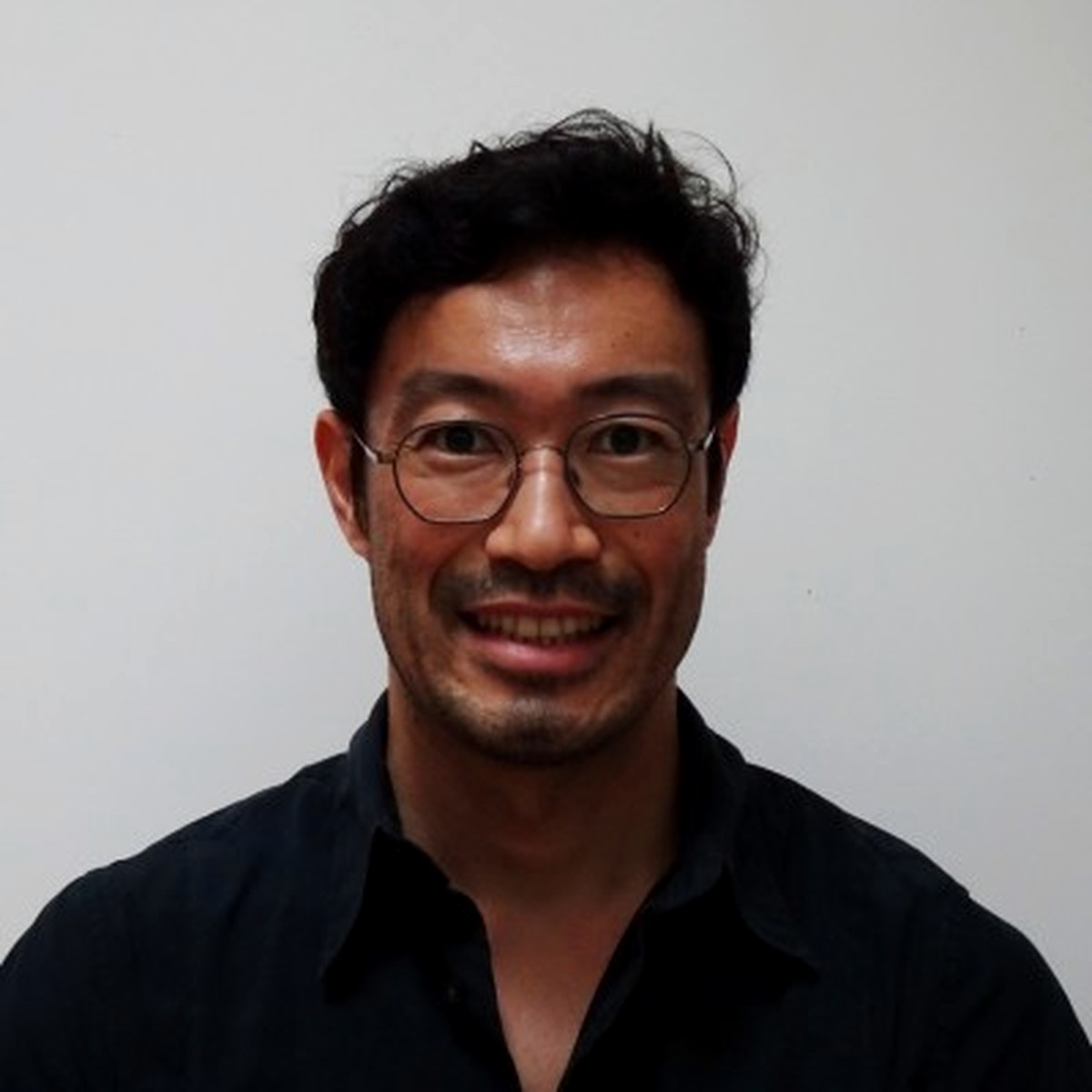
In His Words
Hands, materials, worlds.
I am passionate about woodworking, leathercraft and manual craftsmanship. I want to explore the world and collaborate with people from different cultures. I aspire to combine these passions with a simple goal: connecting globally — working with international professionals, and learning their traditions and innovative methods.
That curiosity is not separate from conservation. It is the same instinct: to listen to materials, respect what came before, and leave a surface more readable than when you found it.
Heritage survives when skilled hands still know how to care for it.
Based in Rome, Hisato Hashizume works across wall paintings, stone objects, stucco decorations, paintings and wooden objects — a practice shaped in Italy and tested on sites from Egypt to France, Japan to Diriyah.
Interview
Why this figure matters.
- Why do conservators like you matter for Italian — and world — heritage?
- Because monuments and objects do not preserve themselves. Climate, tourism, time and earlier interventions all leave traces. A conservator reads those traces before acting: what can stay, what must be stabilised, what should never be invented. Without that discipline, artistic and archaeological heritage becomes decoration — or slowly disappears.
- What does Rome teach that nowhere else quite does?
- Rome is a living laboratory of surfaces: stone façades, stucco, painted layers, centuries of repair. Working here — from long studio years with painting supports and preventive care, to façade work such as Palazzo Mattei — trains the eye to treat history as matter, not postcard.
- Stone, stucco, wood, canvas: what connects them?
- Method. Documentation first. Cleaning that respects the original. Materials chosen for reversibility and honesty. Whether ammonium carbonate and laser on stone and stucco, gels for controlled cleaning, or traditional Italian lining approaches for canvas, the ethic is the same: intervene as little as necessary, as precisely as possible.
- You also teach — at Tokyo University of the Arts and elsewhere. Why?
- Conservation is a language that has to be passed on. Seminars on cleaning gels, lining techniques, Florentine and Roman methods are not lectures for their own sake. They keep a shared craft alive between Italy and Japan — theory in the morning, hands on wood or gypsum by afternoon.
- What should a private master class in Rome feel like?
- Not a tourist workshop. A quiet, focused encounter with materials and judgement: how to look, how to clean, how to decide. Small group, real context, Rome as classroom — for guests who want to understand heritage from the inside of the craft.
Chapters
From Rome to the world.
Palazzo Mattei & studio years
Façade conservation on stone and stucco — including ammonium carbonate and laser cleaning — after more than a decade in Rome working on stretchers, supports, restoration and preventive care.
Geidai seminars
At Tokyo University of the Arts: theory and practice of cleaning gels, solvent-surfactant systems, and traditional Italian lining methods for canvas — Florentine and Roman approaches shared with MA students. OHH! Italy’s own Japan chapter is archived here: Global Startup Program · Tokyo.
Grand Egyptian Museum
With Tokyo National Research Institute for Cultural Properties / JICA: training Egyptian conservators, and later wall-painting conservation — documentation, analysis, planning and treatment for exposition.
Église Sainte-Croix, Ris
Architectural surface conservation with Orpimento: documentation, cleaning and stucco on a historic church façade in Auvergne-Rhône-Alpes.
Ghasibah, Diriyah
Conservation assessment and urgent measures for earthen walls at a fortified archaeological district — where archaeology and climate meet fragile historic fabric.
Collections in motion
Stucco support work for exhibition transport at the Vatican Museums; collection condition reporting, packing and consultancy at Bridgestone Museum of Tokyo — care that travels with the object.
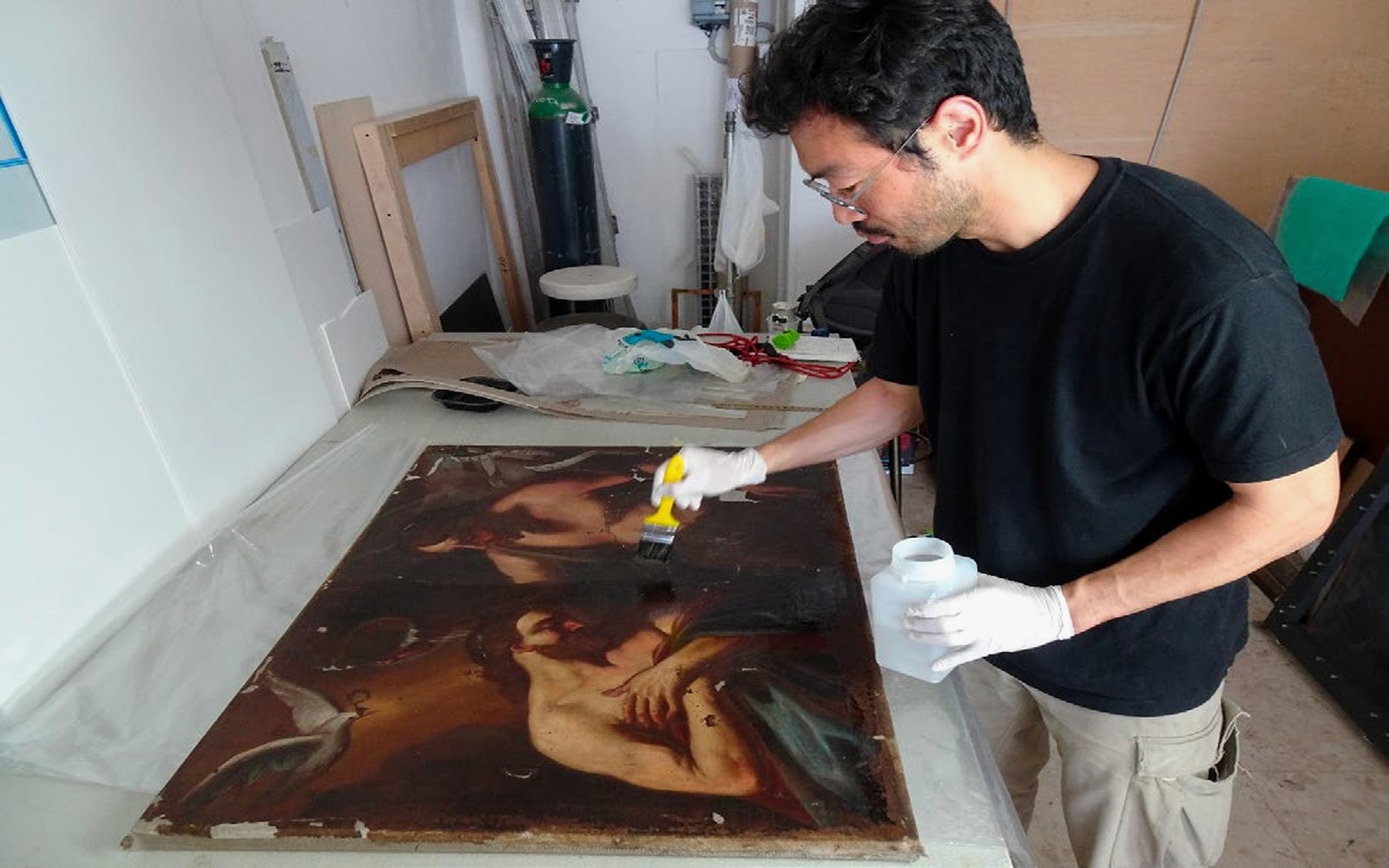
Private Master Class · Rome
Learn how heritage is cared for.
With OHH! Italy, Hisato hosts a private restoration master class in Rome: an intimate introduction to looking, cleaning and deciding — the quiet craft behind monuments and objects.
- Small private group, Rome setting
- Materials, methods and ethical judgement
- Stone, stucco, painted and wooden surfaces — as the day allows
- Designed for curious travellers, collectors and cultural hosts
“Not a tourist workshop — a focused encounter with materials and judgement, with Rome as the classroom.”
Private Concierge
Enquire about the master class.
Share your dates, group size and the depth of experience you want. OHH! Italy can arrange a private proposal in Rome.