
Emilia-Romagna
Historic cities, regional food and the countryside.
Explore Bologna, Modena and Parma, the castles and villages of the countryside, and the art of Ferrara and Ravenna. OHH! ITALY plans your route, accommodation and visits around your interests and the time available.
The region
Food, art and the historic cities
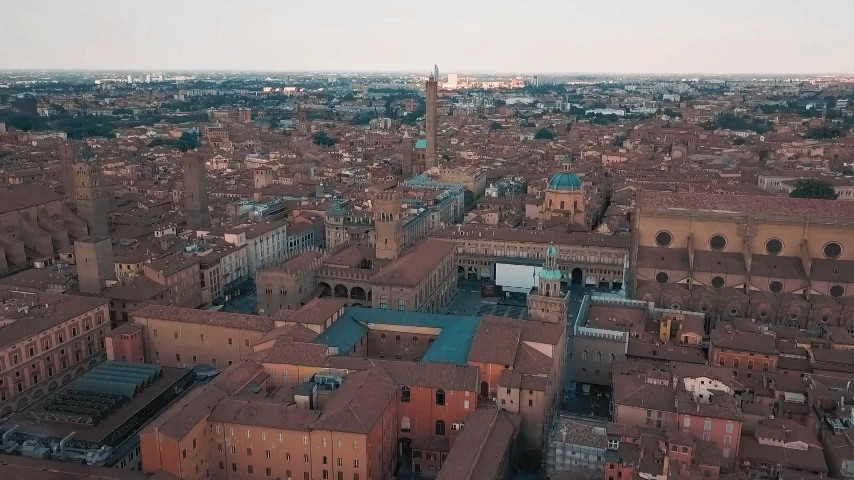
Emilia-Romagna runs from the cities of the plain into the hills. Bologna, Modena and Parma stand along the Via Emilia, the Roman road that still links them. Off that line the country changes: farmland, then the first hills, then the Apennine valleys.
The region’s food traditions can be explored through visits to cheese dairies, prosciutto producers and traditional balsamic vinegar makers. Further east, Ferrara’s Renaissance architecture reflects the patronage of the Este family, while Ravenna is known for its early Christian and Byzantine mosaics. A private journey draws on this geography according to your interests and the time you have.
Orientation
We plan the route around your interests, accommodation and travel times.
Bologna
History, architecture and food.
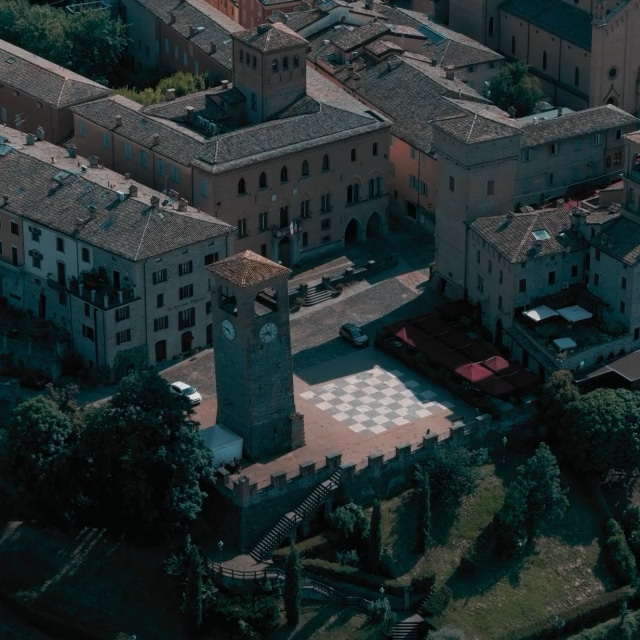
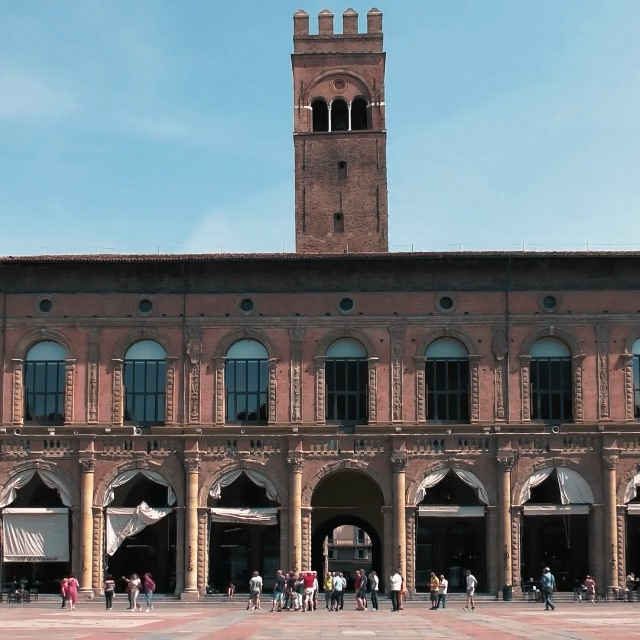
Bologna provides a convenient starting point for exploring the region. The historic centre has medieval towers, Piazza Maggiore, the Basilica of San Petronio and a long network of brick porticoes, so much of the city can be walked under cover.
In 2021 UNESCO inscribed the Porticoes of Bologna: twelve ensembles chosen from a citywide system of about 62 kilometres. The quarter along Via Zamboni is home to the university, conventionally dated to 1088.
A private day can include the square, San Petronio, the university quarter and the food markets. The streets, historic shops and restaurants are best taken at an easy pace. A private guide can be included.
Modena
Balsamic vinegar and Motor Valley.
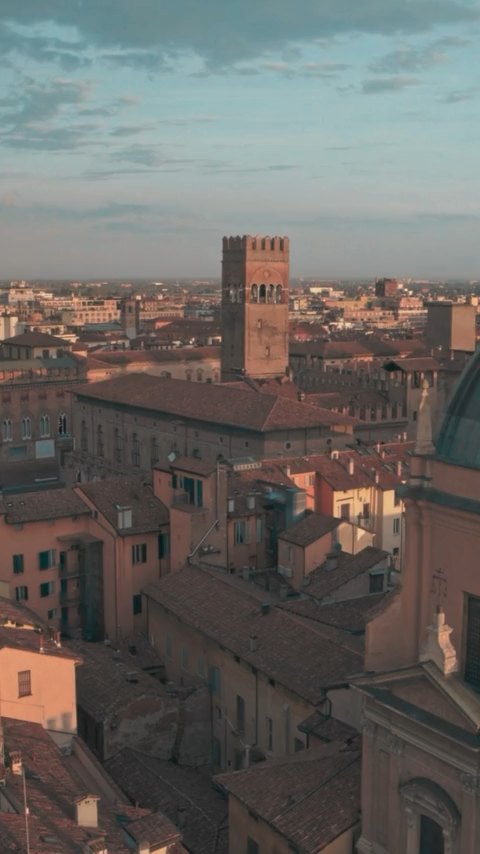
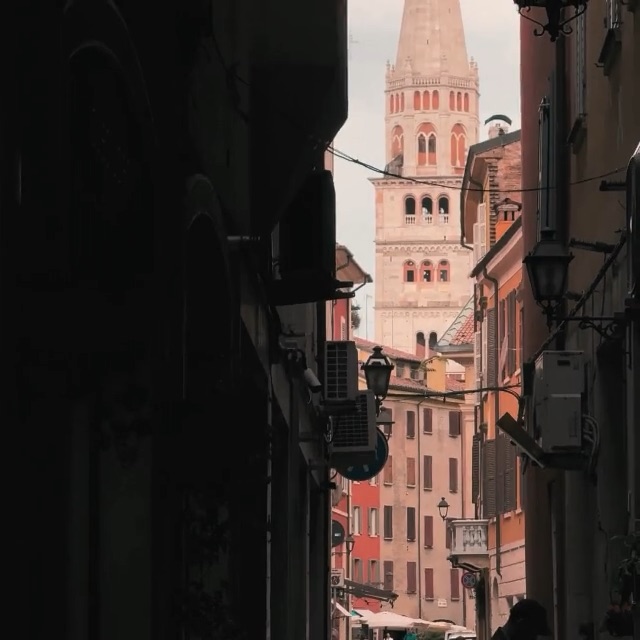
Modena brings together traditional food production and automotive engineering. Aceto Balsamico Tradizionale di Modena DOP is made from cooked grape must alone, and is aged for at least twelve years by successive transfers through wooden barrels of different sizes, in the province of Modena. Aceto Balsamico di Modena IGP is a different product: cooked or concentrated grape must blended with wine vinegar, aged for at least sixty days in wooden containers, and made in the provinces of Modena and Reggio Emilia. We can arrange a visit to a traditional balsamic vinegar producer.
Ferrari is in Maranello, Maserati in Modena, Lamborghini in Sant’Agata Bolognese, Pagani in San Cesario sul Panaro, and Ducati in Bologna’s Borgo Panigale. Museum visits, factory tours and driving experiences are arranged separately, according to your interests and availability. Explore the Ferrari and Lamborghini driving experience.
Food producers
Dairies and curing houses.
Between Modena and Parma, dairies make Parmigiano Reggiano in large wheels, salted in brine and aged for at least twelve months. In the hills south of Parma, curing houses produce Prosciutto di Parma. Langhirano is one of those towns.
A visit to a dairy or a curing house is arranged with the producer.
Parma
Art, music and gastronomy.
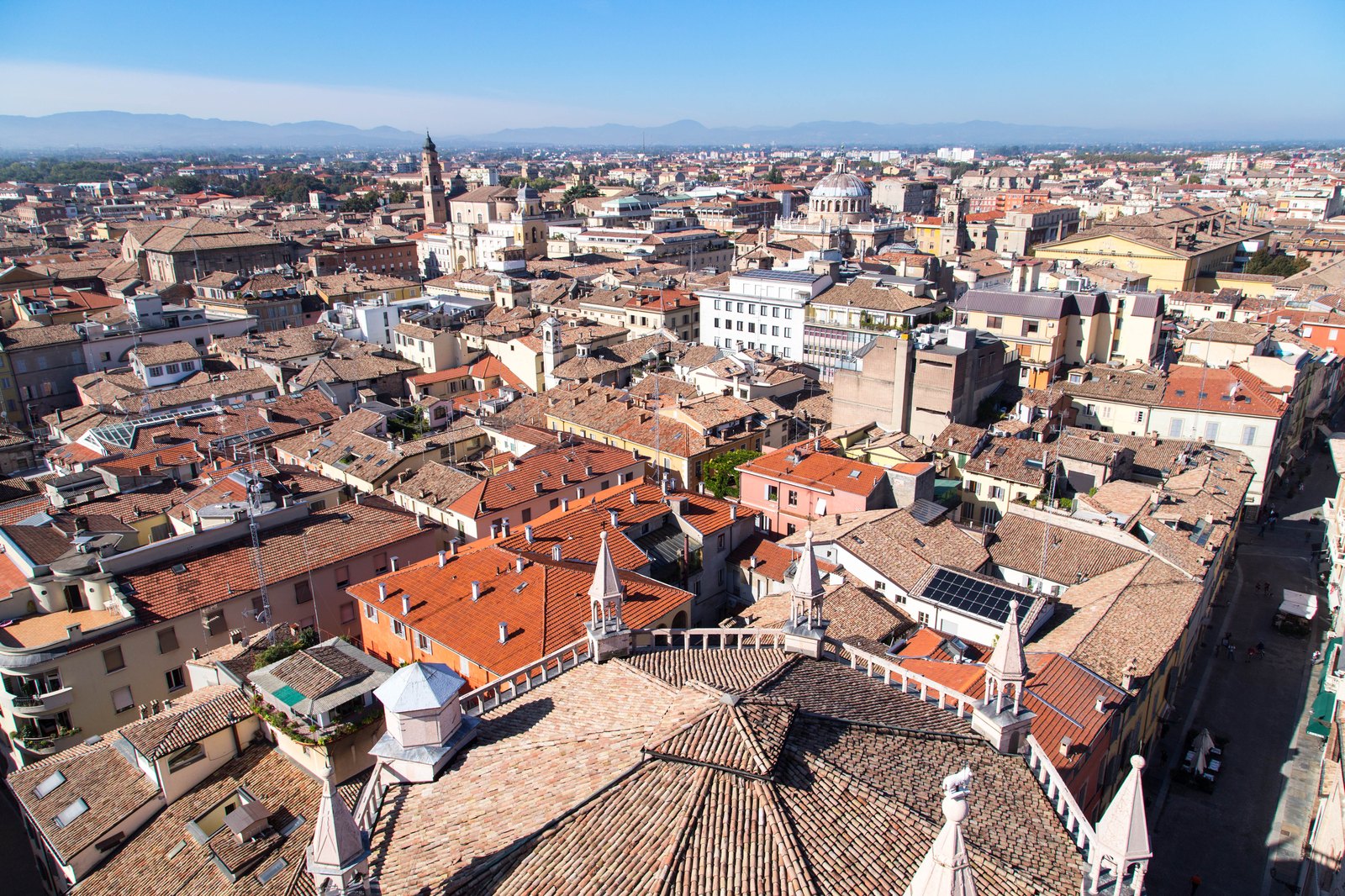
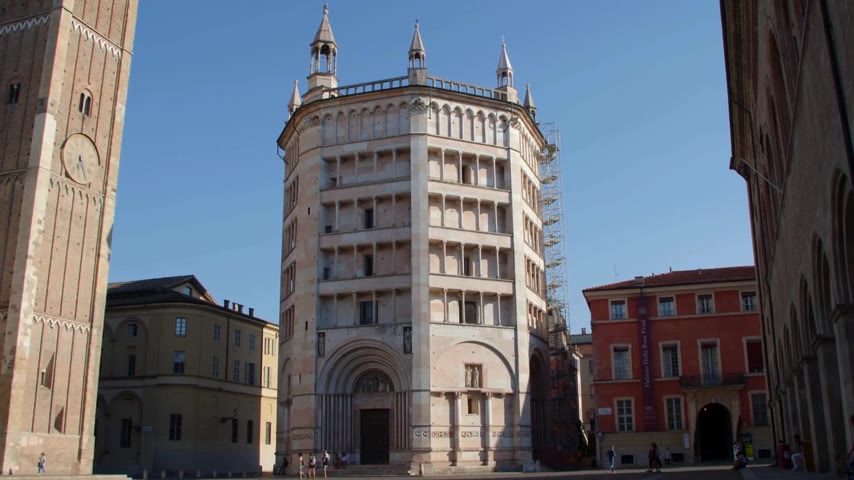
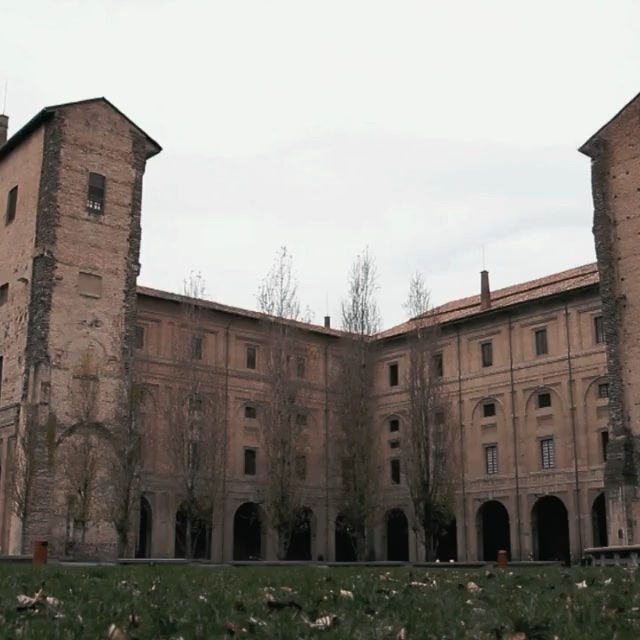
The historic centre holds a Romanesque cathedral, the baptistery in pink Verona marble, and the Palazzo della Pilotta, with its paintings and the Farnese theatre in one complex. Music runs through the city’s history, from the Farnese court to Verdi. South of the city the hills begin, with villages, castles and country estates.
UNESCO named Parma a Creative City of Gastronomy in 2015. A day in the centre can be joined to time in the hills.
Western Emilia
Piacenza and its valleys.
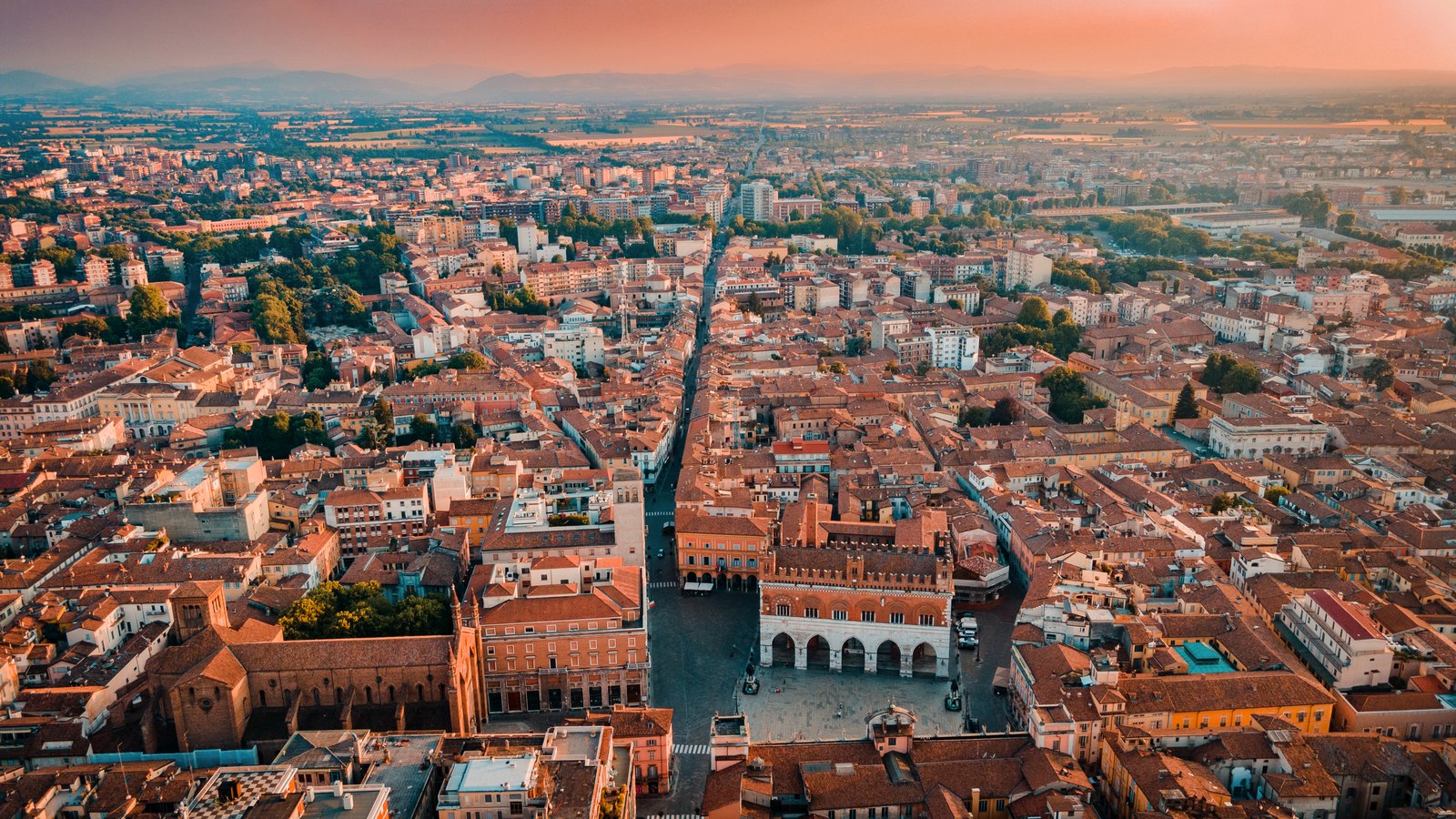
West of Parma the Via Emilia reaches Piacenza, at the western end of the road: Piazza dei Cavalli, the Gothic Palazzo del Comune, and Palazzo Farnese, now home to the civic museums. From the city the land rises into Val Trebbia and Val d’Arda.
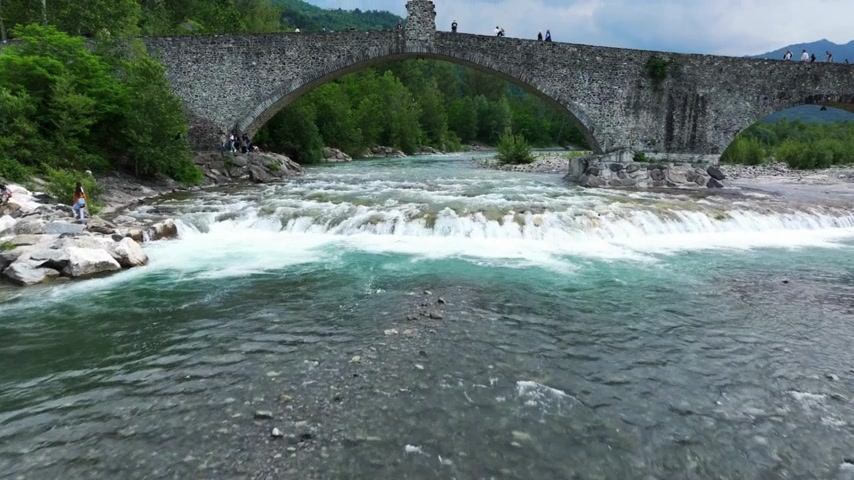
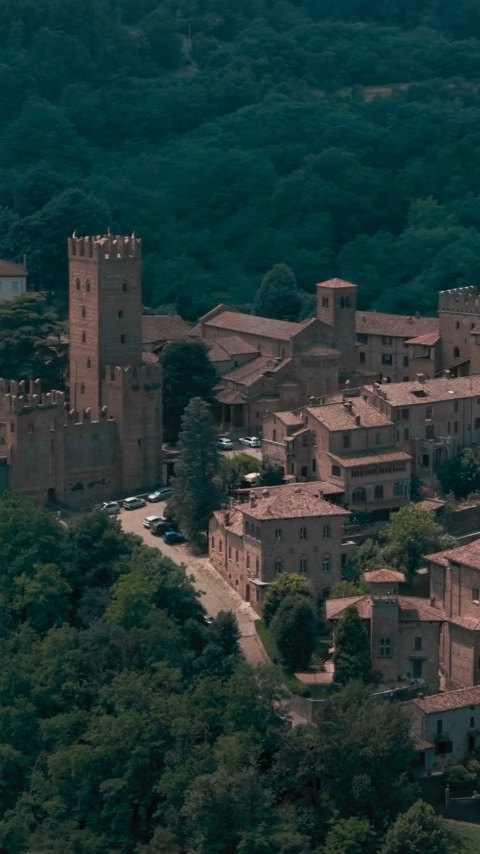
Bobbio sits on the Trebbia, an abbey town shaped by San Colombano and by the river. Castell’Arquato stands in the Arda hills, with a Visconti rocca and a Romanesque collegiate church. Vigoleno, above Vernasca, is a walled village looking over the Piacentino plain.
Visits are planned around the distances between the valleys and the time you would like to spend in each place.
The castles
Castles off the Via Emilia.
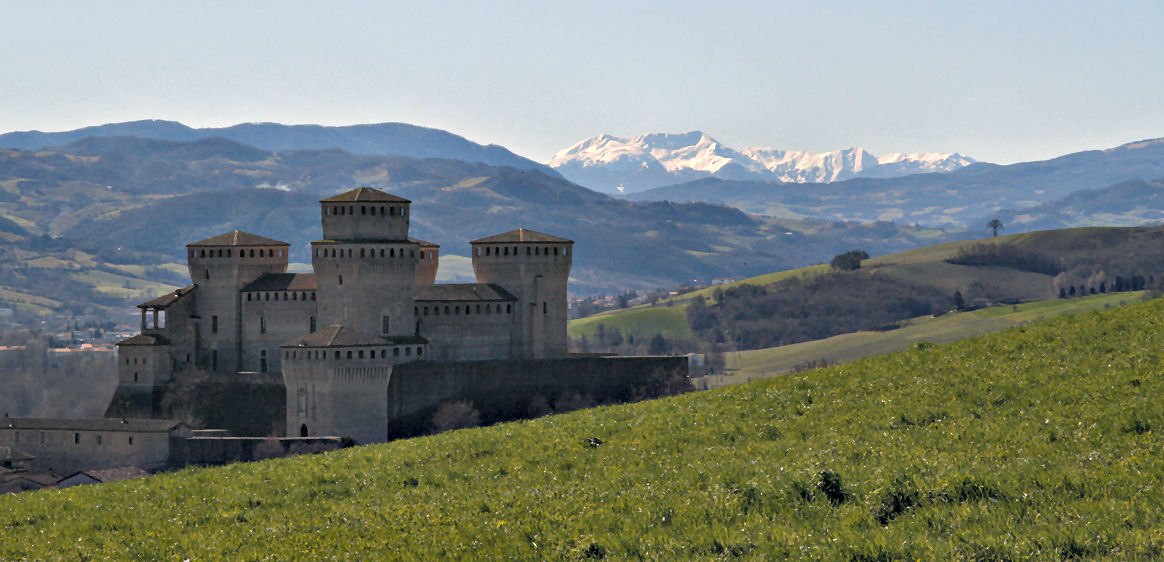
The Via Emilia runs through the plain. The castles stand away from it, on the approach roads and in the valleys. Torrechiara, Bardi, Castell’Arquato, Vigoleno and Bobbio can be part of a route according to the valley and the time available.
Fortresses
The Castle Atlas
A few fortresses, rocche and ducal houses are described here. Opening hours are checked for the dates of the journey. The wider castle atlas continues in the Journal.
Parmense
Fontanellato
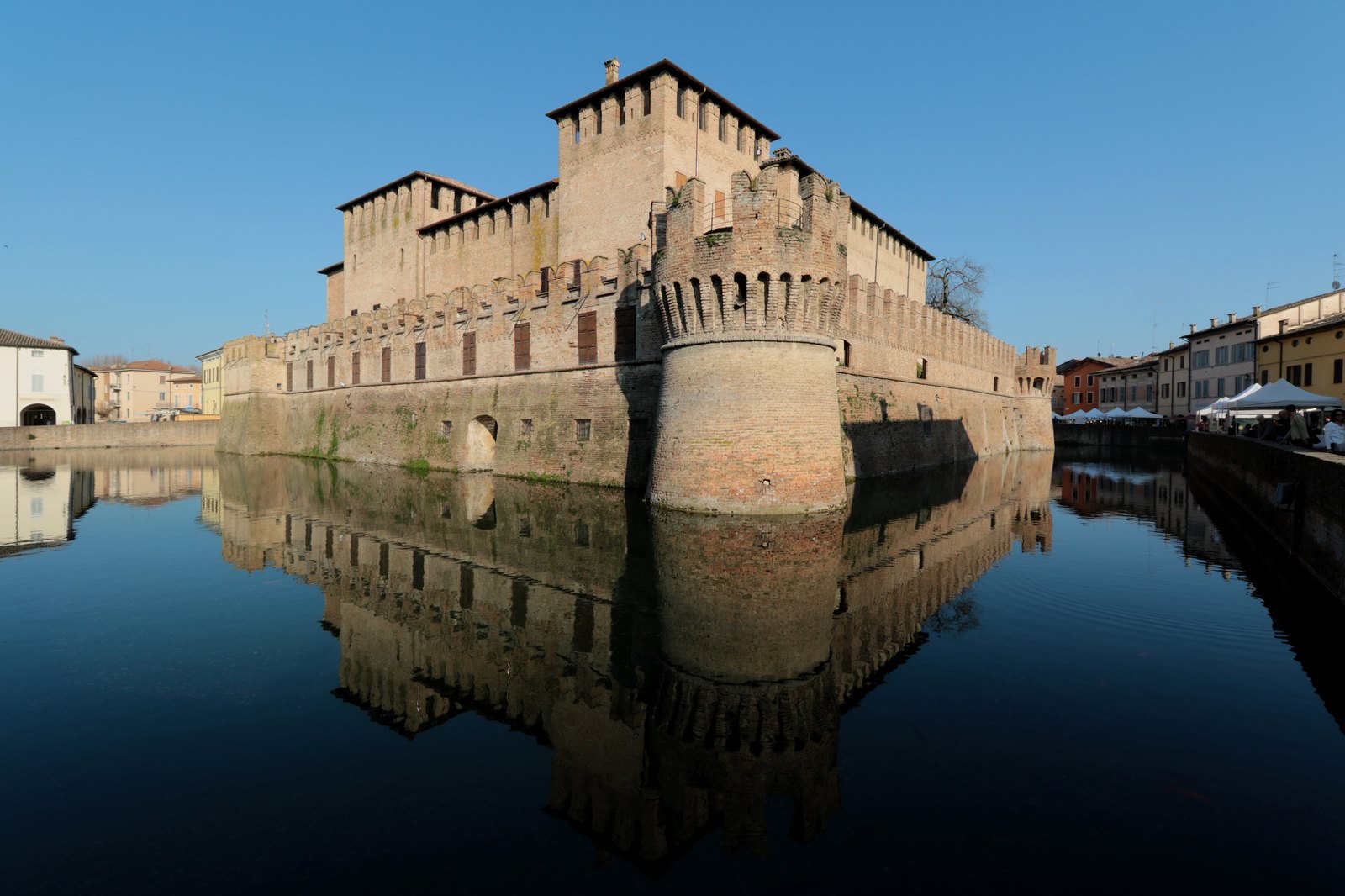
Rocca Sanvitale stands in a moat on the Parmense plain, a fortress that became a residence. Parmigianino frescoed a room in the Rocca with the story of Diana and Actaeon.
Piacentino
Castell’Arquato
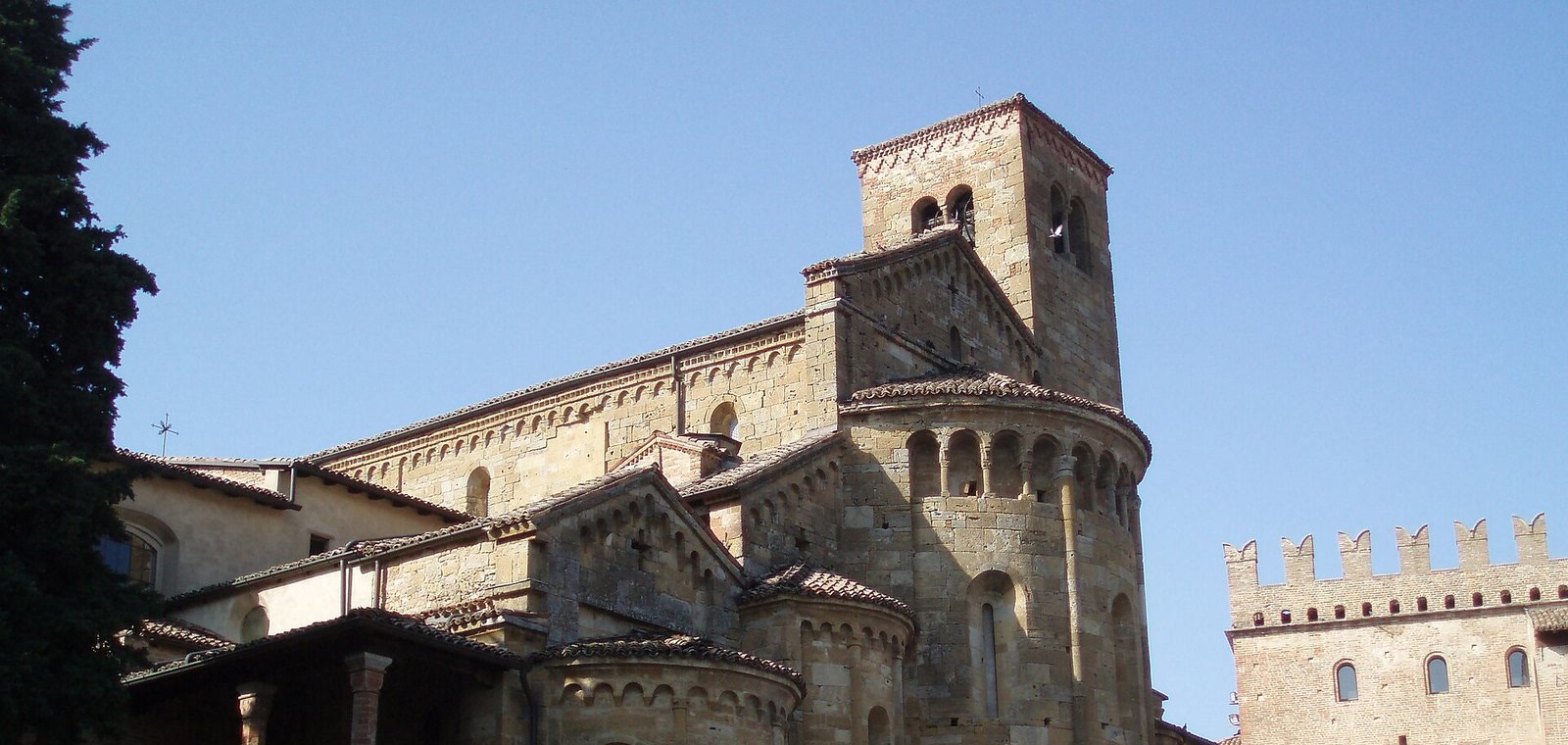
Above the Arda, the square faces the Romanesque apse of the collegiate church, and the Visconti rocca stands above them.
Romagna
San Leo
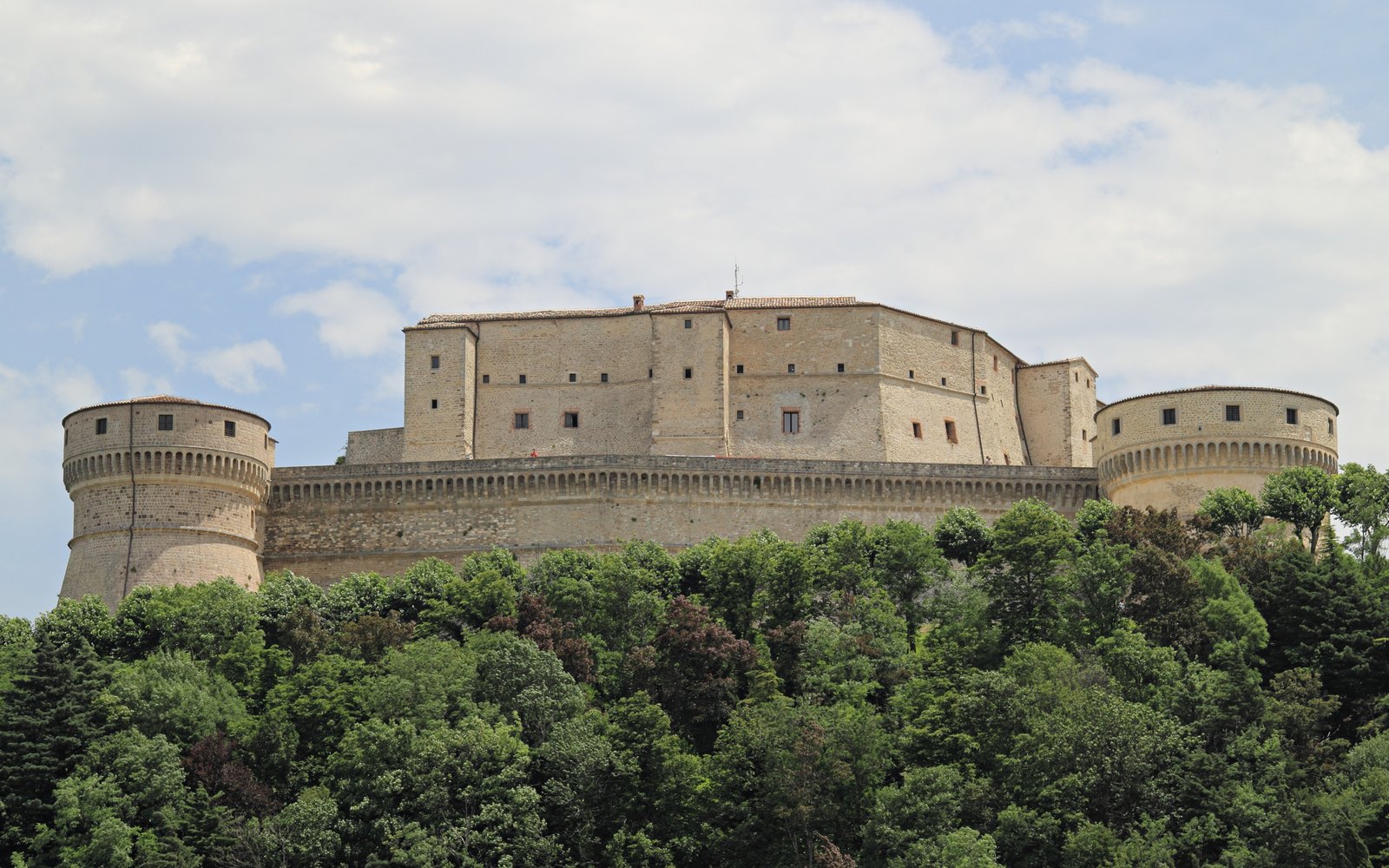
The fortress stands on a cliff of calcarenite and sandstone above the Marecchia. San Leo is in Romagna, in the older territory of Montefeltro.
Castello Estense is described with Ferrara. Bardi belongs with the western valleys. Palazzo Farnese, Rivalta and Vigoleno are named below.
Also in this geography
Palazzo Farnese — Piacenza’s ducal palace, now the Musei Civici, at the head of the Via Emilia.
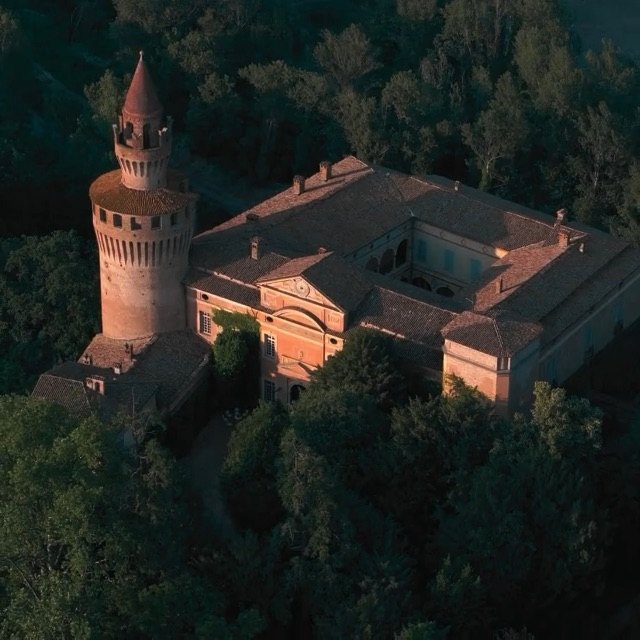
Rivalta — at Gazzola, on the Trebbia. An inhabited castle in the Piacentino.
Vigoleno — A walled village above Vernasca, looking over the Piacentino plain.
Named in the atlas
Parmense
Compiano · Montechiarugolo · Soragna · San Secondo · Sala Baganza · Scipione · Tabiano · Varano · Roccabianca · Colorno
Piacentino
Agazzano · Gropparello · Paderna · San Pietro in Cerro · Rocca d’Olgisio · Bobbio, Malaspina
Modenese · Bolognese · Estense · Malatesta
Vignola · Dozza · Verucchio · Montefiore Conca · Castel Sismondo, Rimini
A longer index
Formigine · Spezzano · Imola · Cesena · Castrocaro / Terra del Sole · Bianello · Castellarano · Mesola and other Delizie · San Martino in Soverzano · Noceto · Contignaco · Castelnuovo Fogliani · Rocca dei Terzi, Sissa. Grazzano Visconti was rebuilt between 1905 and 1930, and is not a medieval castle. Colorno, named with the Parmense above, is the Reggia, a ducal residence. Mesola belongs with the Este Delizie. Pontremoli and Sabbioneta lie outside Emilia-Romagna.
Hill towns
Towns in the hills
Beyond the cities there is a second geography of hill towns that have stayed small. The portraits below are a selection. Further towns are named afterwards.
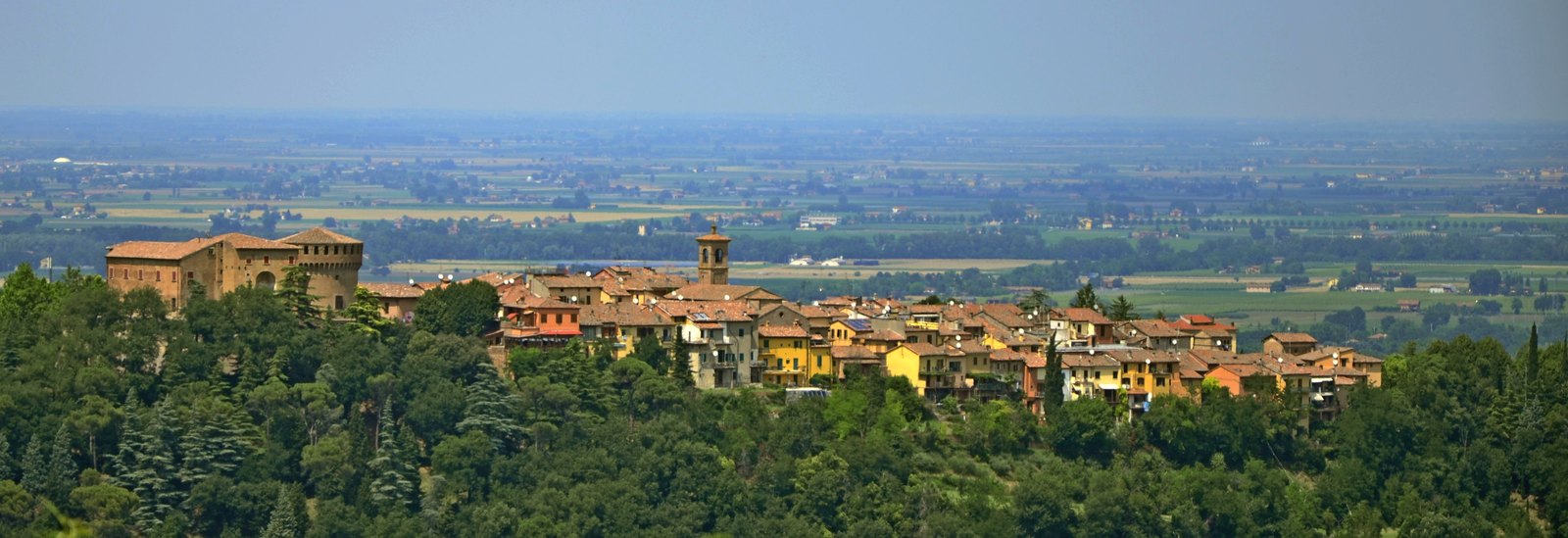
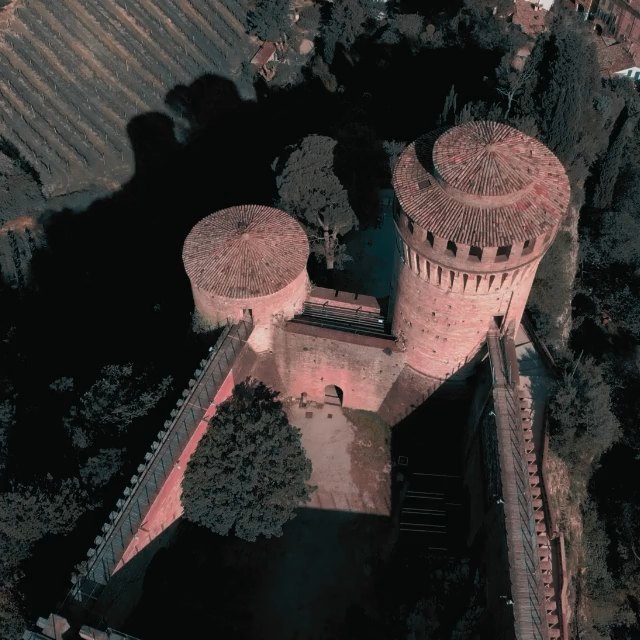
Dozza stands on a ridge above the Bolognese plain, the Rocca Sforzesca at one end of the roofs. Since 1960 the outside walls of the houses have been painted for the Biennale del Muro Dipinto, an open-air gallery through the lanes.
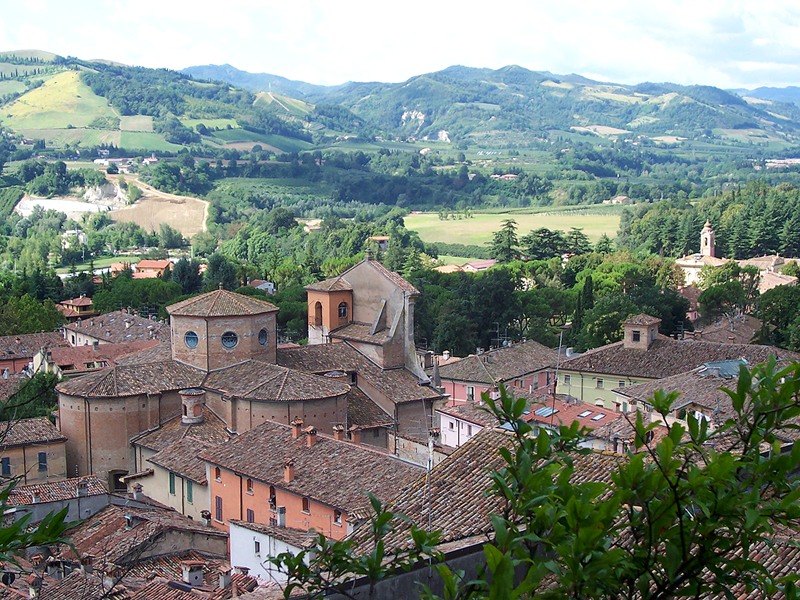
Brisighella
Three gypsum hills rise above Brisighella, crowned by the clock tower, the Rocca Manfrediana and the sanctuary of Monticino. The covered Via degli Asini runs through the upper houses. From the hills the view opens onto the Lamone valley and the Vena del Gesso.
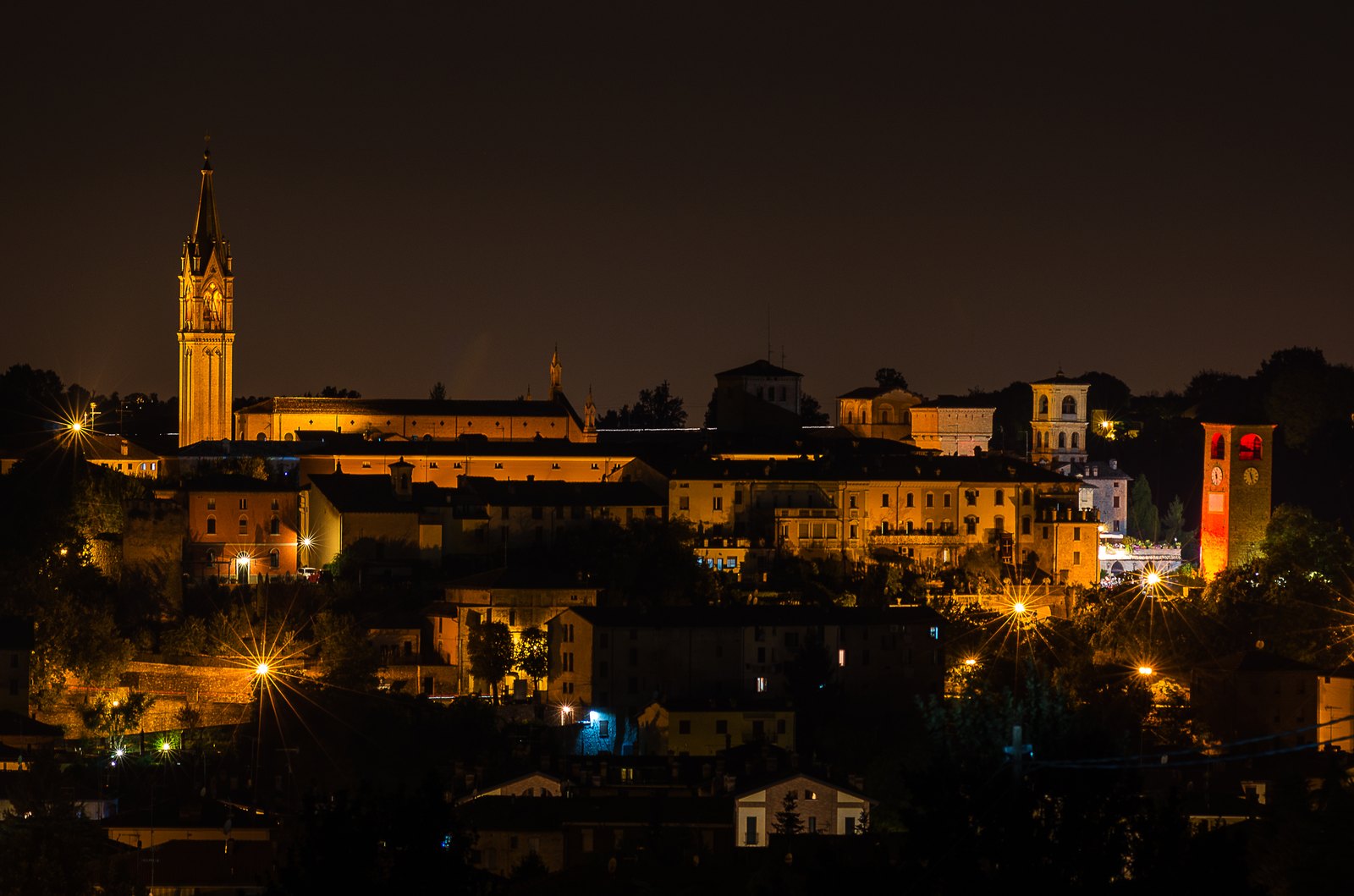
Castelvetro di Modena
The town sits above the Modenese plain, among the Lambrusco Grasparossa vineyards, within reach of the acetaie and Motor Valley.
Bobbio
The abbey of San Colombano stands by the Trebbia, and the humpbacked Ponte Gobbo crosses the river.
Castell’Arquato
The town climbs around its square and the collegiate church, with the rocca above the Arda.
Vigoleno
The lanes sit inside the walls, with the Piacentino plain below the ramparts.
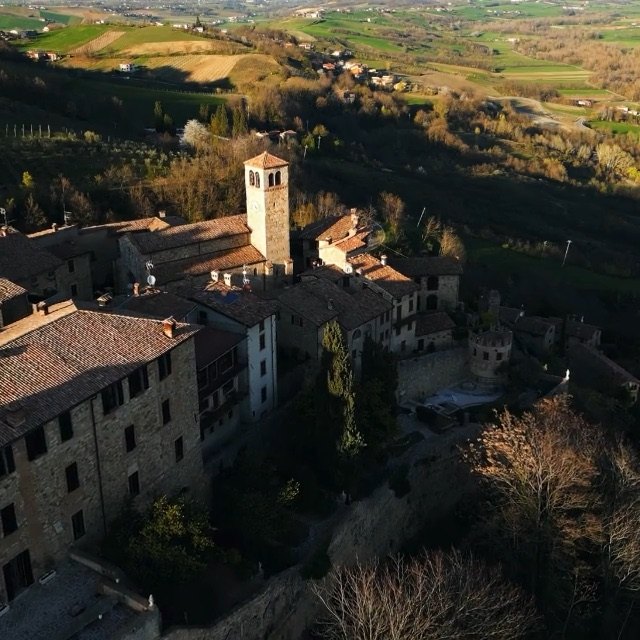
San Leo
The fortress and a Romanesque square stand on a cliff of calcarenite and sandstone above the Marecchia, in the hills of Montefeltro.
Also named
West
Compiano · Montechiarugolo · Fontanellato as a castle-town · Grazzano Visconti, reconstructed, 1905–30
Centre
Gualtieri · Guastalla · Fiumalbo · Castelvetro di Modena
East
Bertinoro · Verucchio · Montefiore Conca · Montegridolfo · San Giovanni in Marignano · Bagnara di Romagna · Bagno di Romagna
Ferrara and Ravenna
Toward Ferrara and Ravenna.
The architecture changes, from Este brick in Ferrara to the gold mosaics of Ravenna, and then to the gypsum hills. These places are in the same region and can be part of a route that turns east.
Ferrara
An Este city.
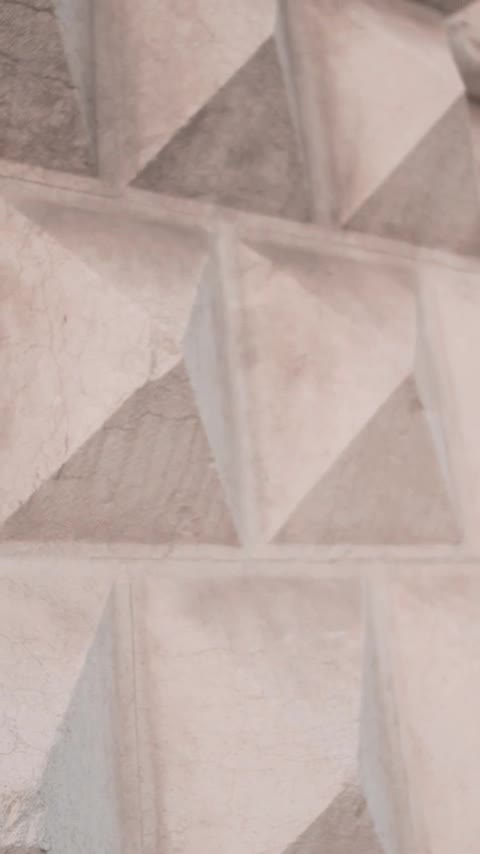
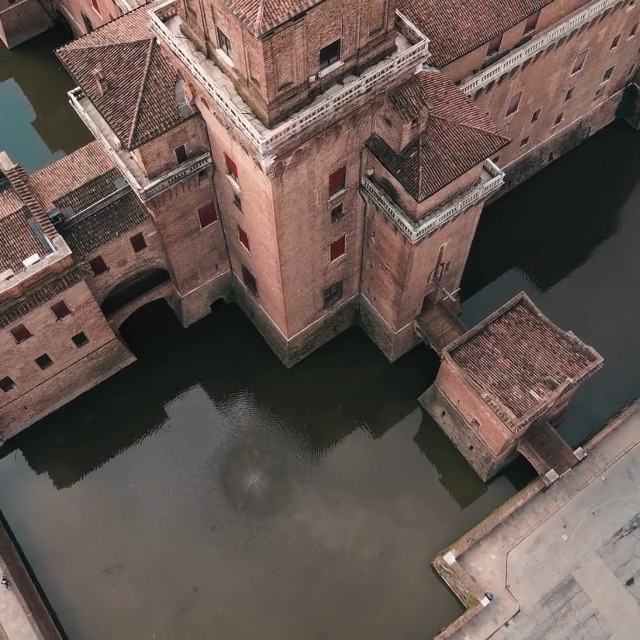
North of the Via Emilia, the Este shaped Ferrara as a Renaissance city. Ferrara, City of the Renaissance, and its Po Delta were inscribed by UNESCO in 1995, with a major boundary change in 1999. A day takes in the walls, the waterways, Biagio Rossetti’s Addizione Erculea and the Castello Estense in the middle of the city.
Ferrara can follow a stay in Bologna, or be a night of its own when the route turns north.
Ravenna
Byzantine mosaics.
Eight Early Christian monuments in Ravenna were inscribed by UNESCO in 1996, among them San Vitale, the Mausoleum of Galla Placidia, Sant’Apollinare Nuovo and Sant’Apollinare in Classe. The mosaics are the reason to come: glass, gold leaf, and interiors that need time.
Romagna
Inland Romagna.
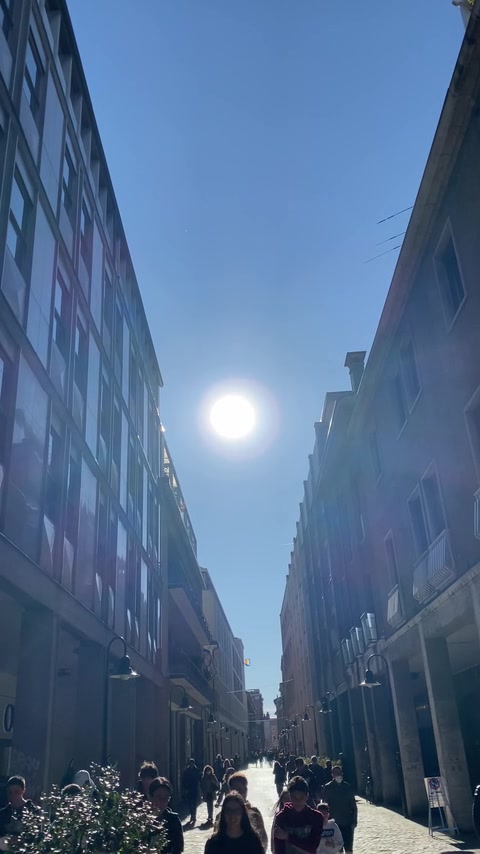
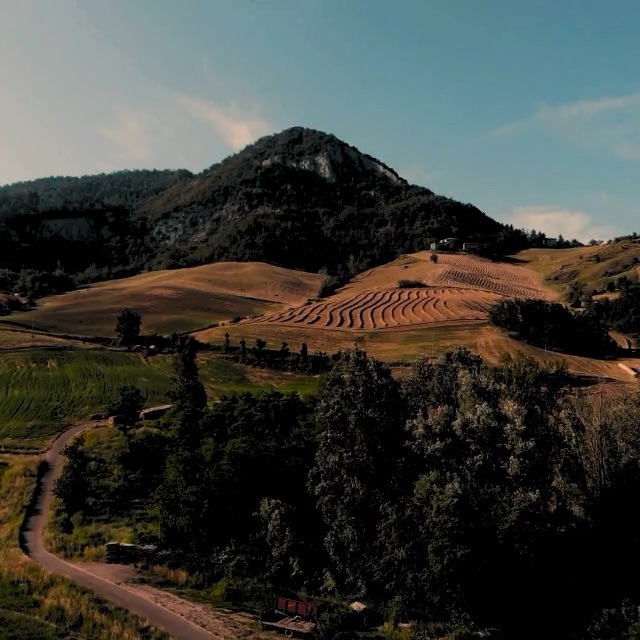
South-west of Ravenna the land rises toward the Apennines. Brisighella sits among the gypsum of the Vena del Gesso. Bertinoro stands on a ridge with a long tradition of hospitality. Further south, San Leo, Verucchio and Montefiore Conca belong to the old territories of the Malatesta and Montefeltro. The Adriatic lies east of Ravenna, and the coast is included when that is the purpose of the journey.
Emilia and Romagna are one region. Whether they share a journey depends on the route, the distances and what you want to see.
Houses
Where to stay.
Accommodation is selected alongside the itinerary, considering location, room arrangements, privacy and travel times.
Staying in Bologna
A city hotel may suit the first part of the stay.
Staying in the countryside
A countryside property can provide a base for visits to producers, villages and castles.
Additional bases along the route
For a longer route, we may recommend another overnight base to reduce repeated transfers.
Planning the journey
Planning your route.
Your itinerary may focus on Bologna, Modena and Parma, continue west into the Piacentino valleys, or include Ferrara, Ravenna and the hills of Romagna.
We recommend the route and overnight stays together, taking account of your interests, travel times and the season. Guided visits, producer appointments, restaurant reservations and private transfers are coordinated as part of the agreed arrangements.
The table
At the table.
Regional cooking varies from city to city, from Bologna’s fresh pasta and mortadella to Modena’s traditional balsamic vinegar and Parma’s prosciutto and Parmigiano Reggiano. We can arrange restaurant reservations and producer visits alongside the itinerary.
Practical planning
Arriving in the region
-
Bologna Guglielmo Marconi
Bologna Guglielmo Marconi Airport is a convenient arrival point for exploring the region. We can also plan transfers from another airport according to your itinerary.
OHH! ITALY
Plan your Emilia-Romagna journey.
Tell us your dates, who is travelling and what interests you most, from food and art to castles, countryside and Motor Valley. OHH! ITALY will prepare a proposal with a suggested route, accommodation and services. Explore more destinations in Italy.
Photographs: Wikimedia Commons.