
Emilia-Romagna
Cities, workshops, stone and the road between them.
Private journeys
Emilia-Romagna, made by hand.
The region
Time keeps the work.
Time lives here the way other places keep a view. It sits in wood, in brick, in a room that is not opened every day. A portico is a civic machine for walking in shade. An attic of barrels is a calendar. An engine is a refusal to approximate. A cheese room turns milk into years. Gold in a mosaic is light, cut and set. A fortress and a borgo keep the same intelligence in stone: measure, memory, land.
Emilia-Romagna is one regional mind, working in different materials. The Via Emilia is the spine. Castles, valleys, small towns, Ferrara and Ravenna lie off that line — available, not obligatory.
This is the world. A week chooses.
Orientation
This is not a sequence of stops. It is the geography from which OHH! ITALY designs an individual journey.
Bologna
A city walked in shade.
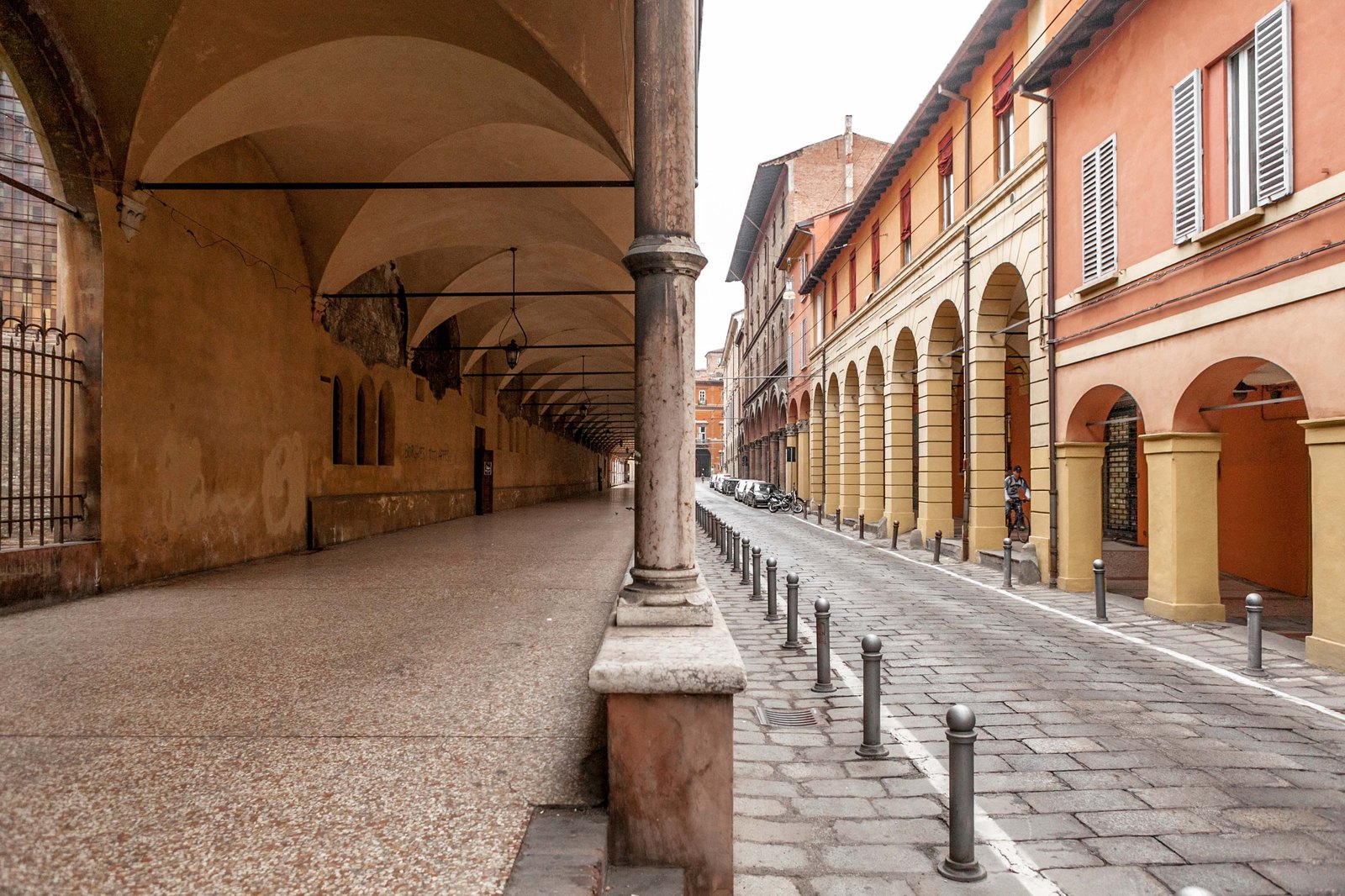
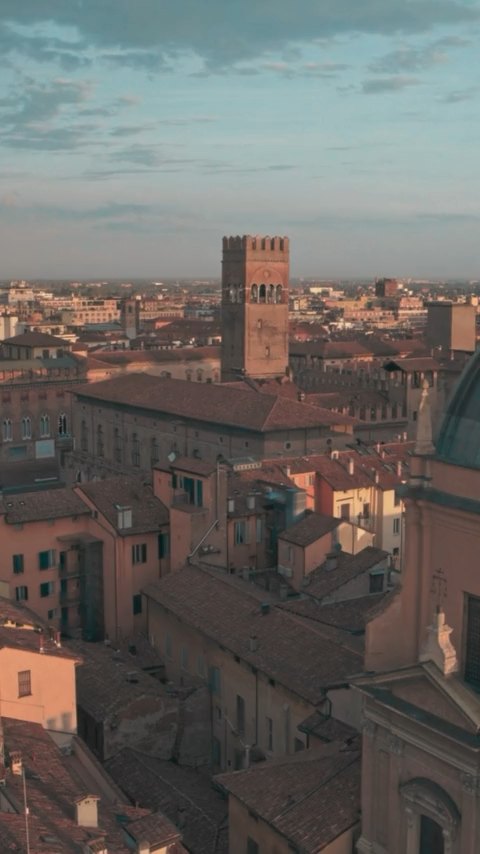
Arrival is civic. Brick, a long interior of air, the red of a city that learned to live under its own roofs. Bologna is not a food capital first. It is a walking machine: kilometres of porticoes, a university older than most European states, rooms that keep their temperature while the square outside changes.
The porticoes are a UNESCO World Heritage property. The fact is quiet. What matters is the body: how one moves from the station into the city without leaving cover, how interiors open off the walk, how flour and civic stone occupy the same street.
This is usually the opening city. Not because it summarises the region, but because it teaches the pace: shade, then the road.
Modena
Wood, years, a measured drop.
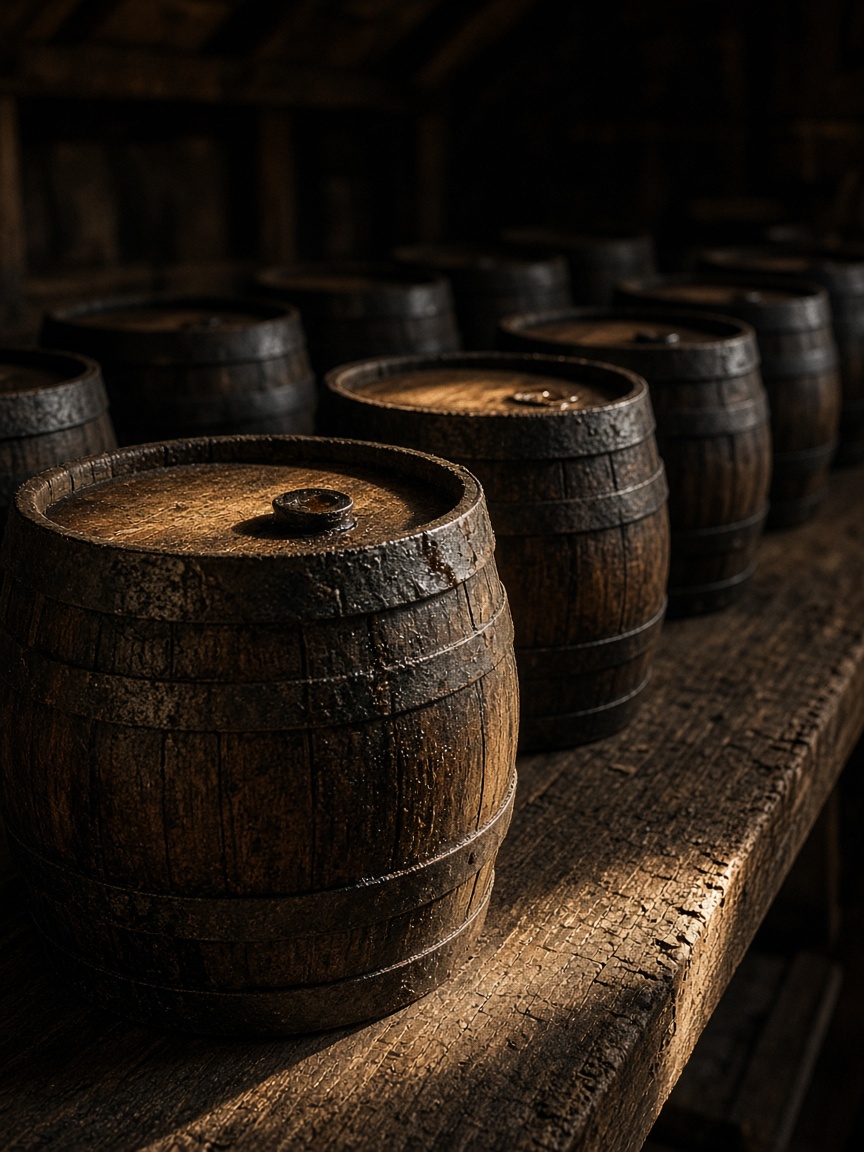
Traditional Balsamic Vinegar of Modena — Aceto Balsamico Tradizionale di Modena DOP — is cooked grape must, aged in a battery of barrels of decreasing size, in an attic that keeps the seasons. It is not the condiment sold as Aceto Balsamico di Modena IGP. The two share a landscape and almost no method. When the traditional vinegar leaves the attic, the consortium bottle — the Giugiaro form — is simply the vessel the work has earned.
The same city thinks in precision. South and west of Modena, Motor Valley is another workshop: Ferrari in Maranello, Lamborghini in Sant’Agata, Maserati in Modena, Pagani in San Cesario, Ducati in Bologna’s Borgo Panigale. Geography and industrial culture, not a parade. Factory floors are not ours to promise. A driving chapter, when it belongs, lives on its own page: the Ferrari and Lamborghini driving experience.
The workrooms
Milk, salt, air, waiting.
Between Modena and Parma the plain and the first hills keep rooms of work. Parmigiano Reggiano is a geography of milk and time — Parma, Reggio, Modena, Bologna west of the Reno, Mantua on the right bank of the Po — wheels turned, brine, a long rest. Prosciutto di Parma is air: the hills south of the city, Langhirano among them, salt and wind doing what a kitchen cannot hurry.
We do not publish a list of dairies, acetaie or curing houses. Named access depends on the traveller, the season and what can actually be opened. The point is the rooms themselves: wood, iron, straw, a darkness that is not empty.
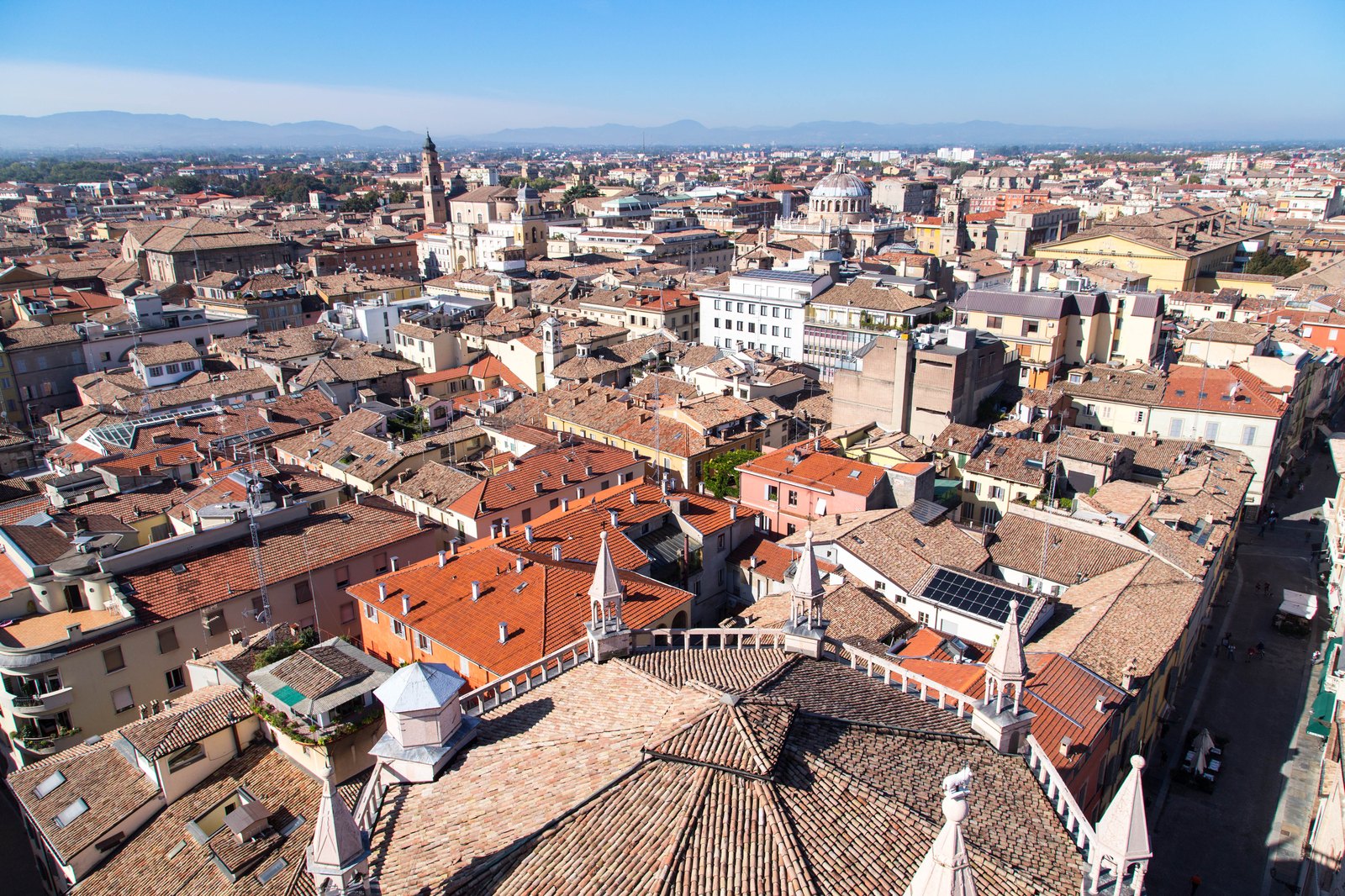
Parma
The city that changes the pace.
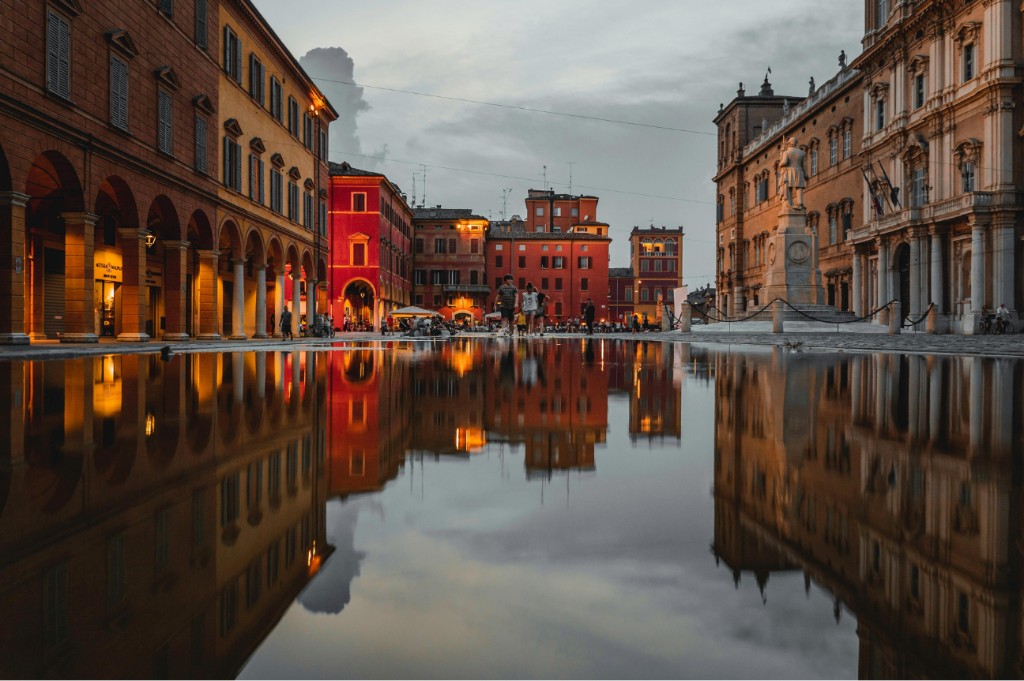
Parma is ducal without theatre. Pink marble, a baptistery that is almost a fortress of light, music in the civic memory, the Pilotta still holding its vast interior. The hills begin immediately south: ham country, castle country, the first lift of the Apennine.
UNESCO names Parma a Creative City of Gastronomy. The title is a footnote. What the journey uses is the change of temperature: from Modena’s attic and workshop to a city that walks more slowly, then out toward stone.
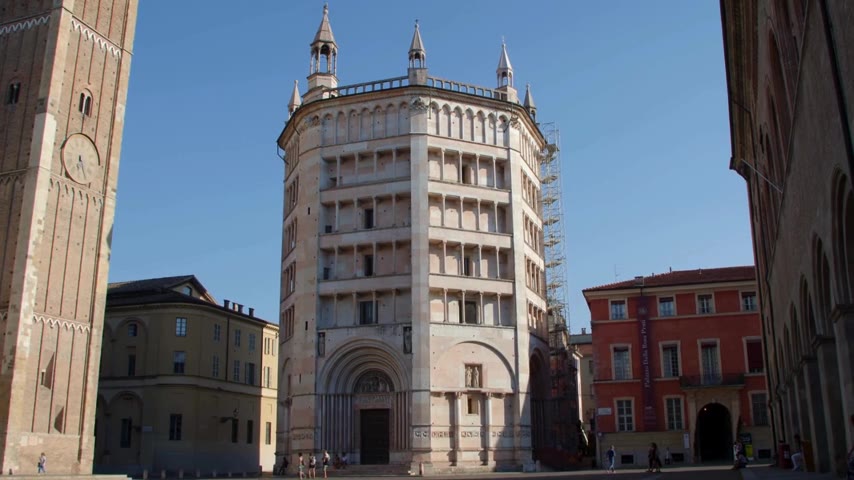
Western Emilia
Piacenza, and the valleys that feed it.
West of Parma the region is no longer a food corridor. Piacenza stands at the head of the Via Emilia: Piazza Cavalli, the Gothic palace, Palazzo Farnese holding the civic museums in a ducal body. From here the land lifts into Val Trebbia and Val d’Arda — river, stone, a different sky.
Bobbio sits on the Trebbia, an abbey town with a long memory of the road. Castell’Arquato holds the Arda hills in a viscontile rocca and a Romanesque church. Vigoleno is a walled walk above the plain. These are principal places of the western chapter, not ornaments on a Parma day.
This geography is a major western movement. It is not, by default, inside an 8–10 night week. When the brief turns west, it becomes the journey.
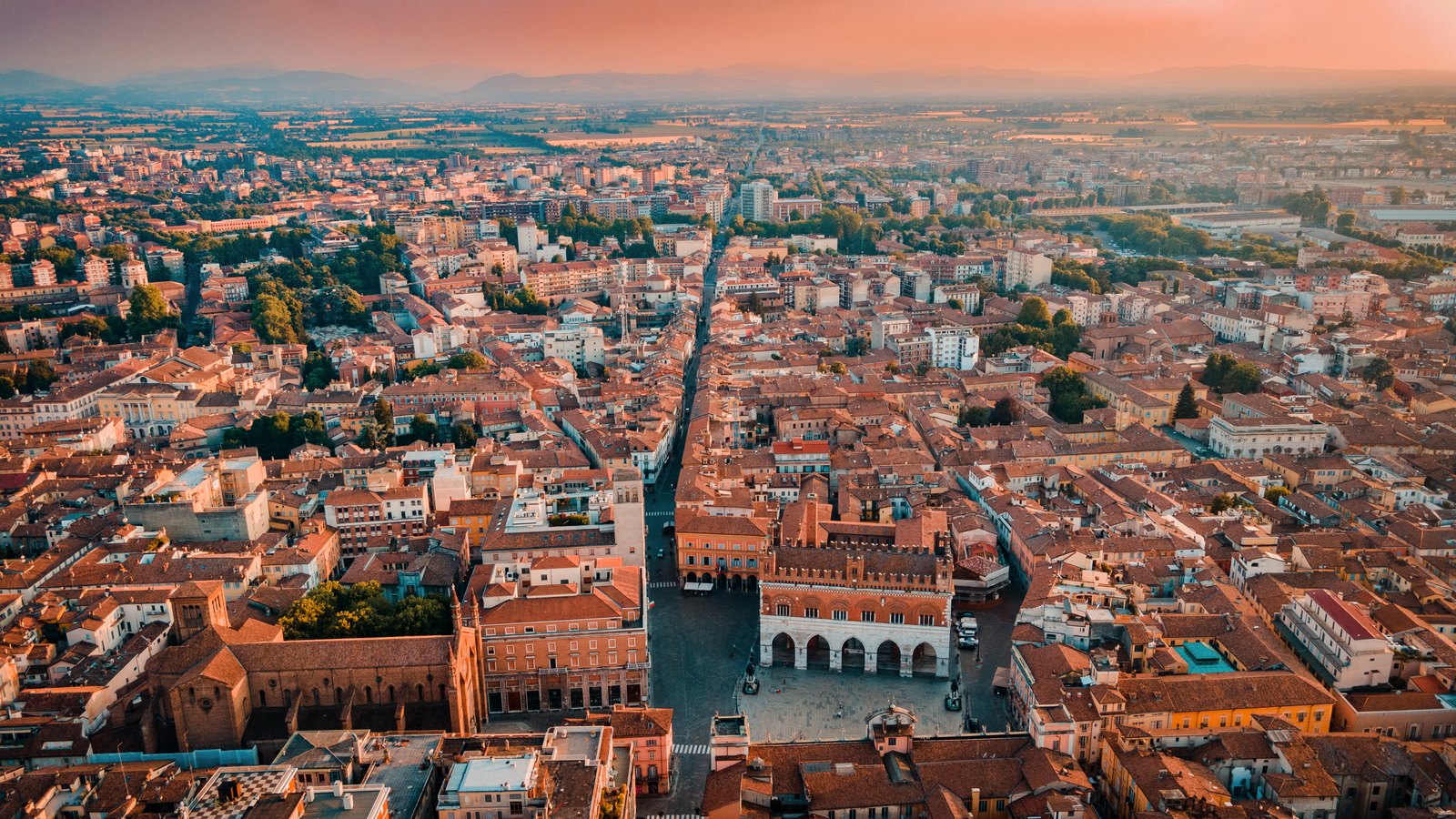
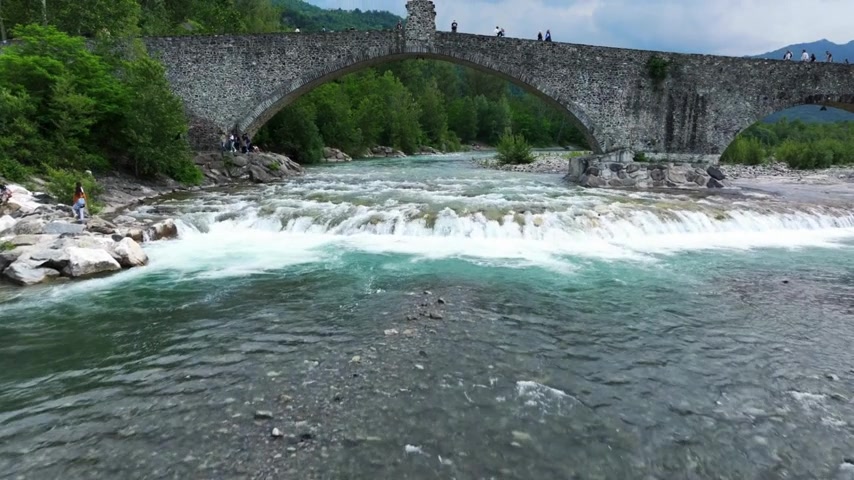
A slower film
Stone, and the road up to it.
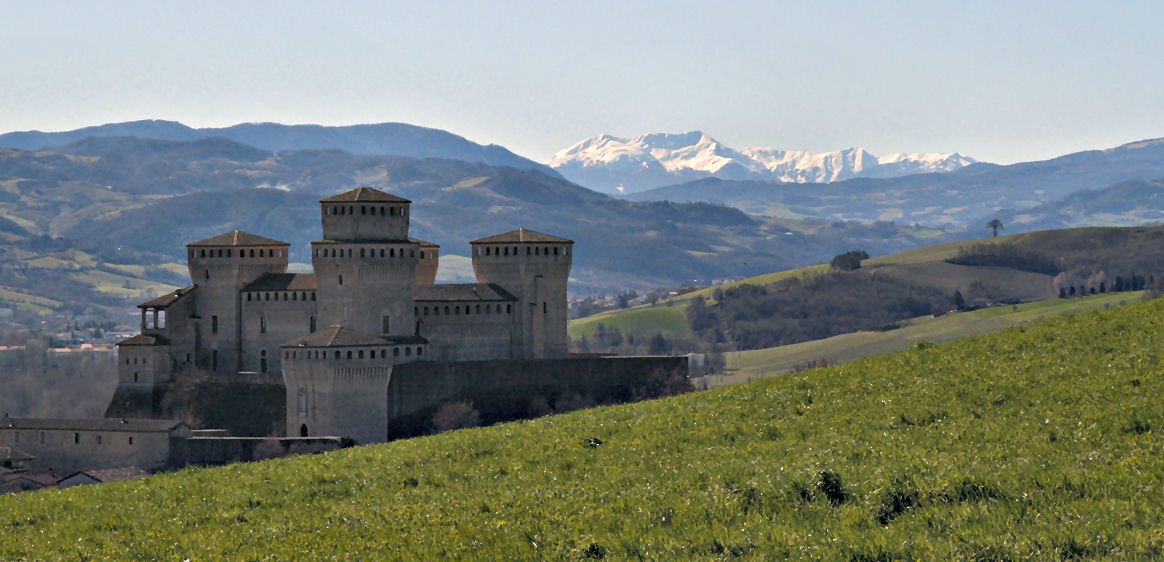
The second film leaves the spine. Approach roads, walls, a valley that does not advertise itself. Torrechiara, Bardi, Castell’Arquato, Vigoleno, Bobbio — not as a circuit, as weather.
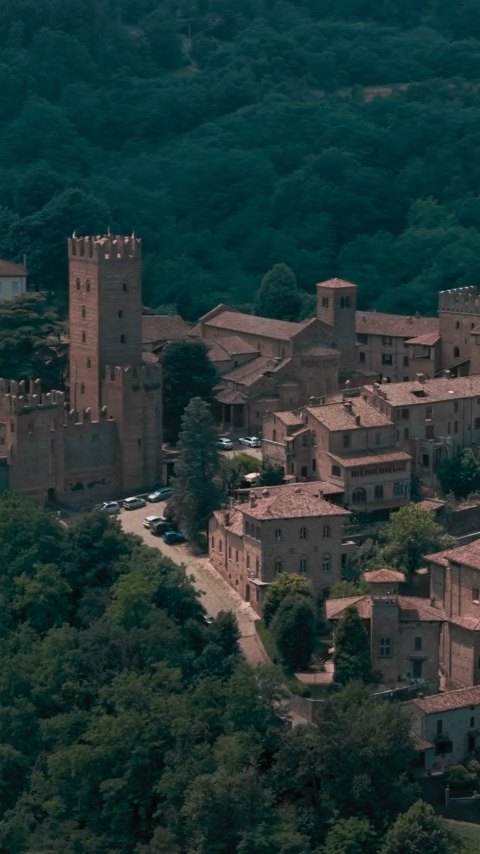
Emilia-Romagna, in stone.
The Castle Atlas
The region keeps an unusual density of fortresses, rocche and ducal houses. The atlas is not a directory and not a promise that any one journey will visit them. It is the stone layer of the geography we design from. Public opening is verified when a brief is written; interiors are never assumed. The wider castle atlas continues in the Journal.
Parmense
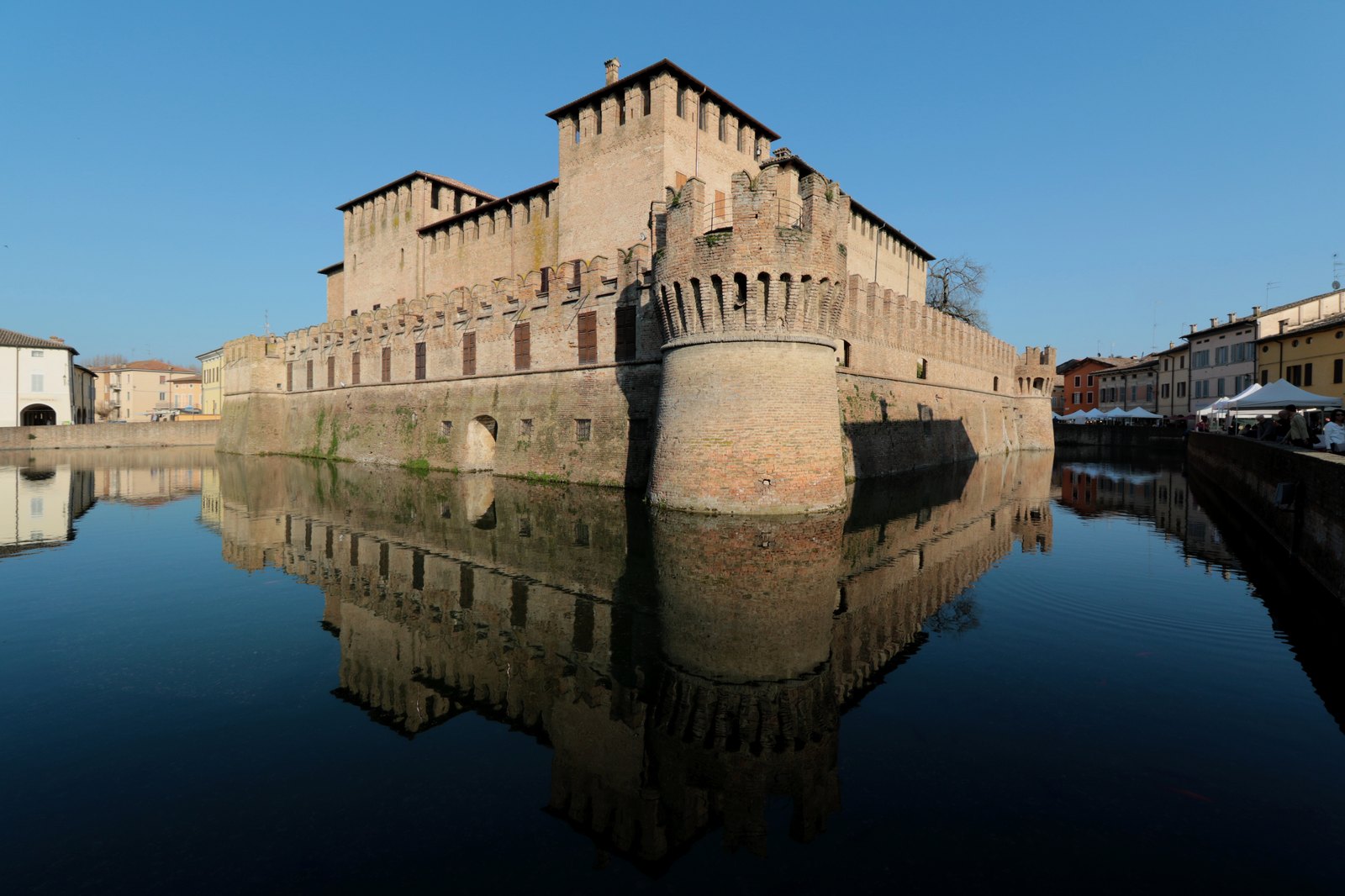
Fontanellato
Rocca Sanvitale, moated in the Parmense plain. A fortress that became a house. The painted rooms are famous; access is a matter of the day, not of the page.
Piacentino
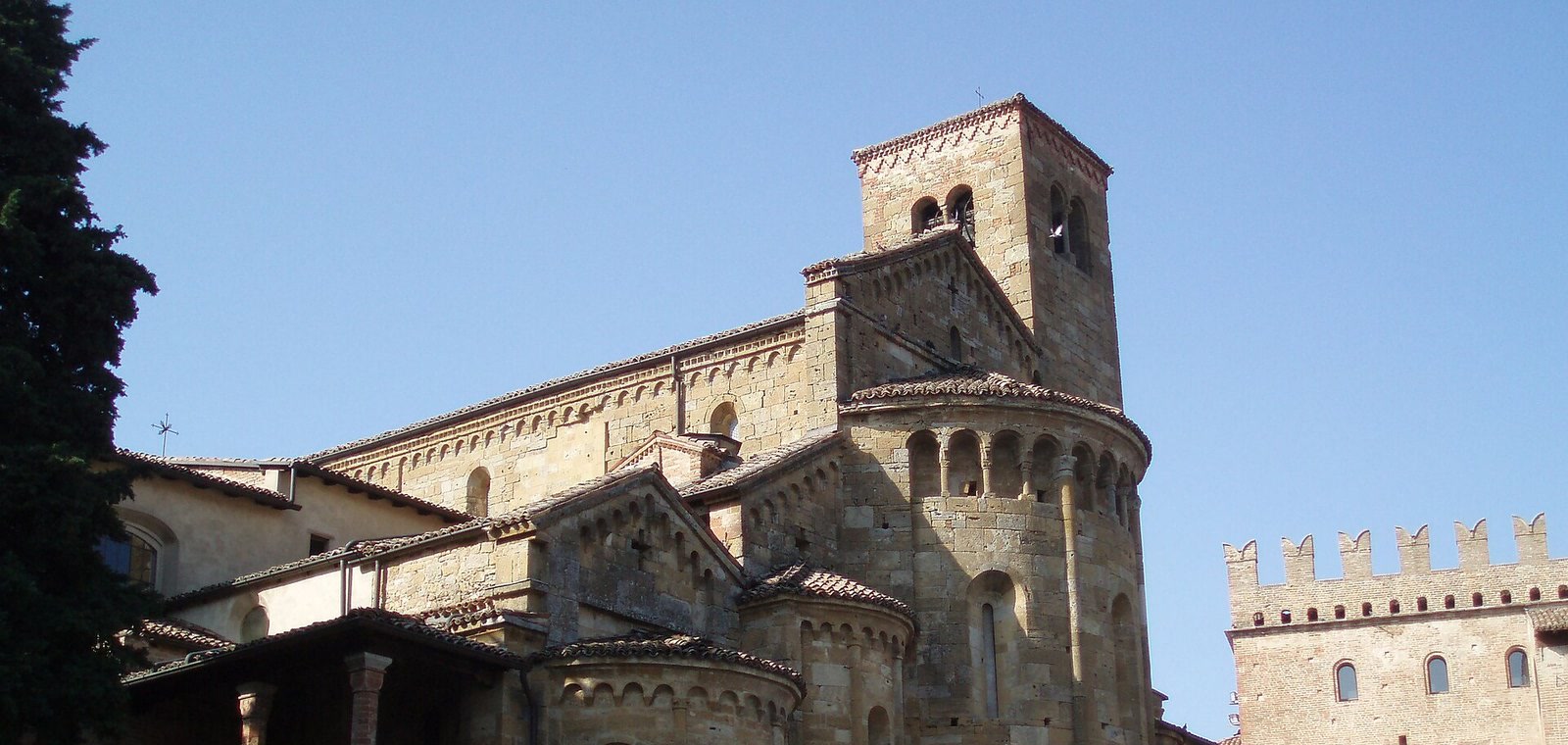
Castell’Arquato
A hill town and a castle at once, above the Arda. Western Emilia in one frame: stone church, brick rocca, a square that still behaves like a square.
Romagna
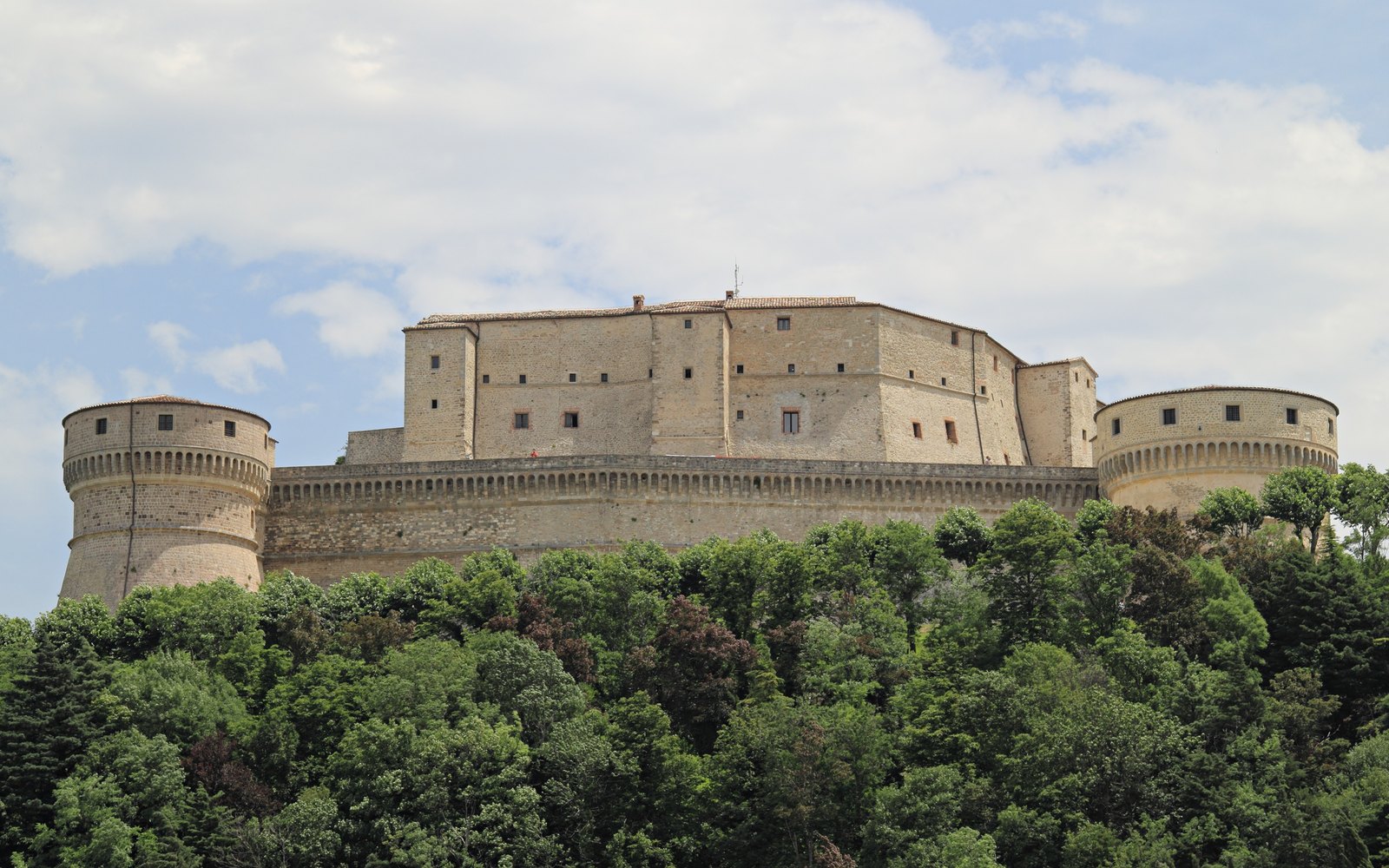
San Leo
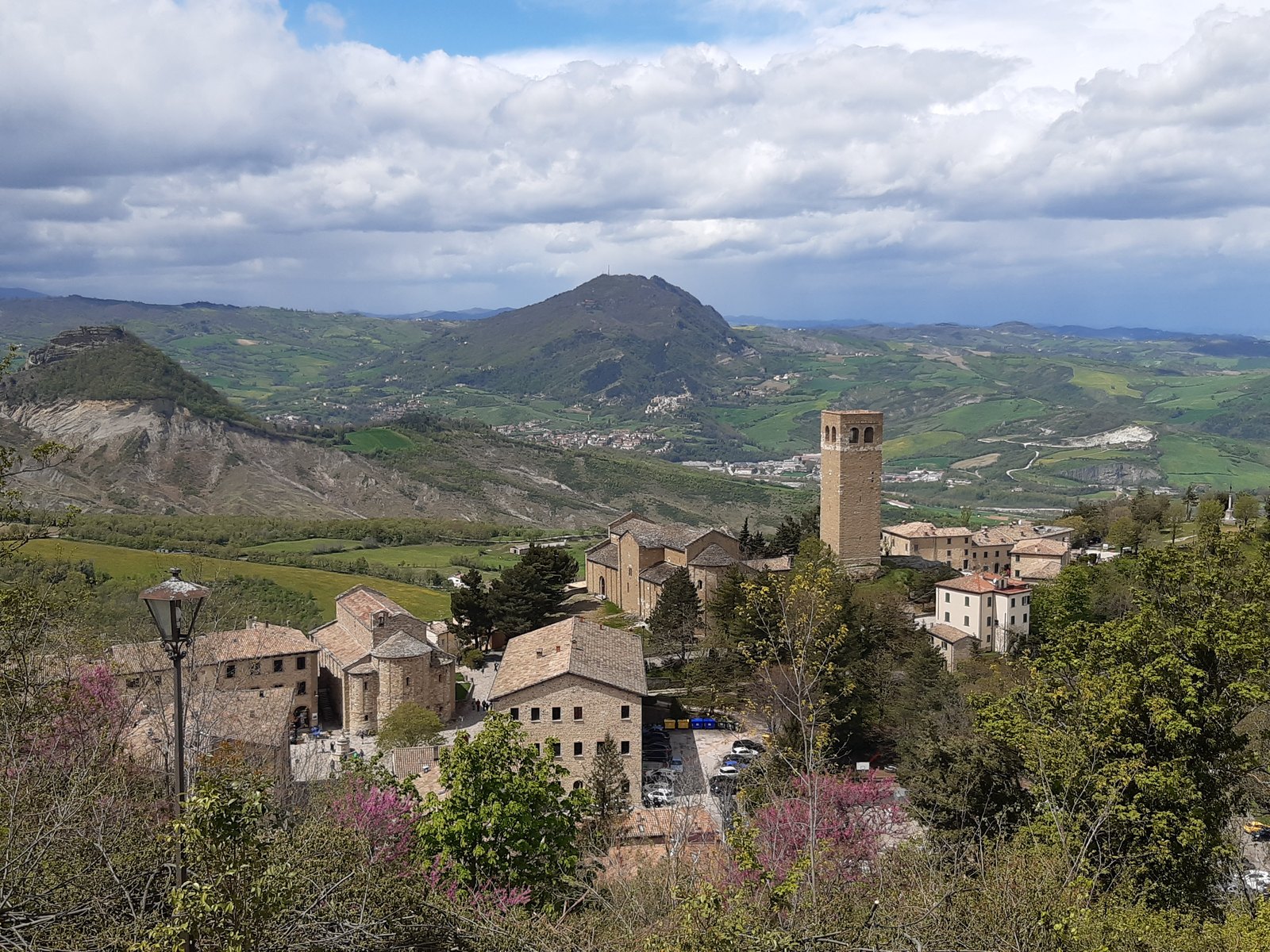
Montefeltro stone on a spur. A Level A castle that also belongs to Romagna. The fortress still lives here; the town and the valley appear later, in a different frame.
Castello Estense is photographed in the Ferrara chapter, so it is not repeated here. Bardi is the still of the film above. Palazzo Farnese, Rivalta and Vigoleno remain in this geography without a plate until a rights-safe still exists.
Named without a plate
Palazzo Farnese — Piacenza’s ducal body, now the Musei Civici. Not a hill fortress. Civic stone at the head of the spine.
Rivalta — Gazzola, on the Trebbia. An inhabited castle in the Piacentino green.
Vigoleno — A walled borgo-castle above Vernasca. The walk of the walls is the place.
Named in the atlas
Parmense
Compiano · Montechiarugolo · Soragna · San Secondo · Sala Baganza · Scipione · Tabiano · Varano · Rocca Pallavicina · Roccabianca · Colorno
Piacentino
Agazzano · Gropparello · Paderna · San Pietro in Cerro · Rocca d’Olgisio · Bobbio, Malaspina
Modenese · Bolognese · Estense · Malatesta
Vignola · Dozza · Verucchio · Montefiore Conca · Castel Sismondo, Rimini
A longer index
Formigine · Spezzano · Imola · Cesena · Castrocaro / Terra del Sole · Bianello · Guastalla · Castellarano · Mesola and other Delizie · San Martino in Soverzano · Noceto · Contignaco · Castelnuovo Fogliani · Sissa-Trecasali. Grazzano Visconti is a neo-medieval reconstruction of 1905–30, not a medieval survival — named only with that honesty. Pontremoli and Sabbioneta are outside the region.
Small towns, long memory.
The places between
Beyond the famous cities there is a second geography: hill towns that kept their measure. Official membership in I Borghi più belli d’Italia is one verified set of eighteen, not the only criterion. The portraits below are the heroes. The index is the rest of the room.
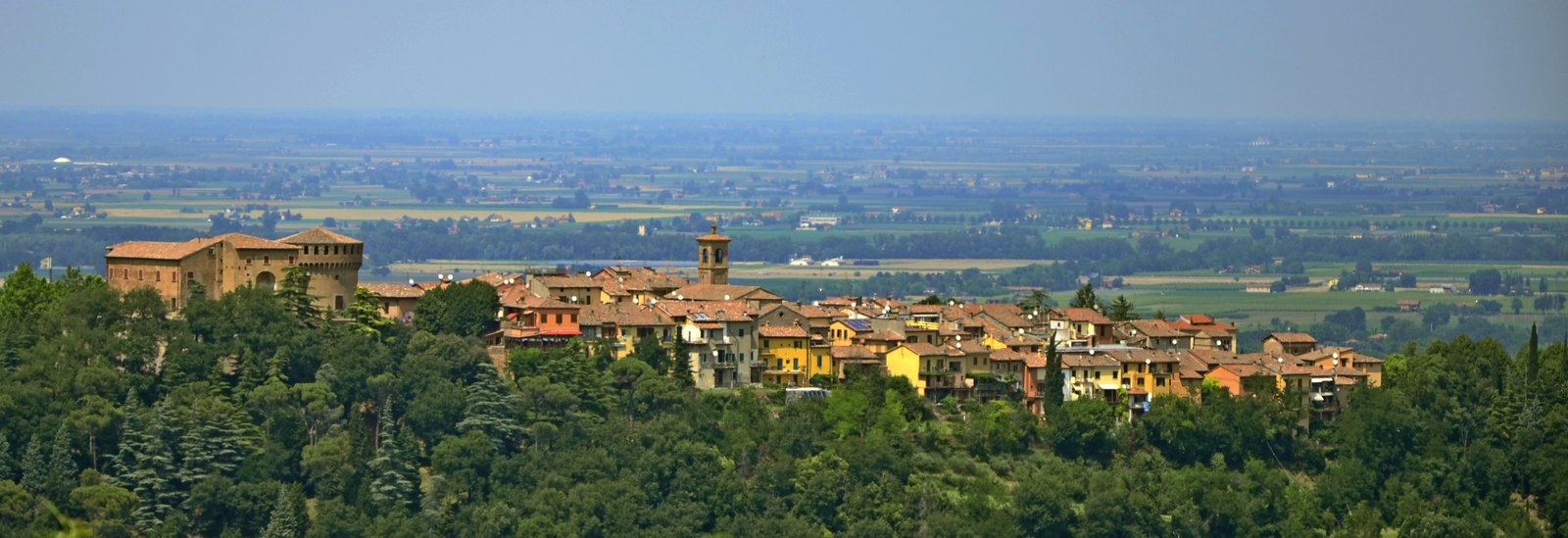
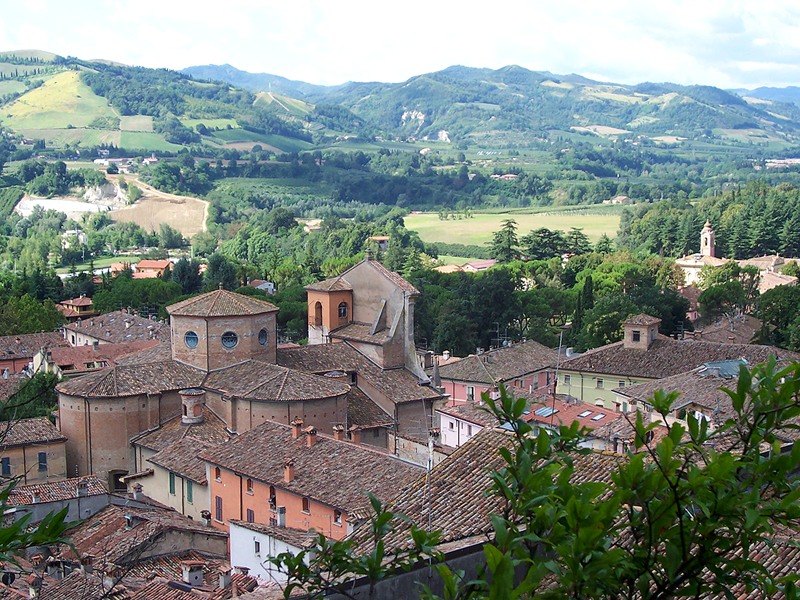
Brisighella
Gesso hills, a three-spired skyline, a different light already. The inland of Ravenna, not the coast. A Romagna room that can close an eastern week.
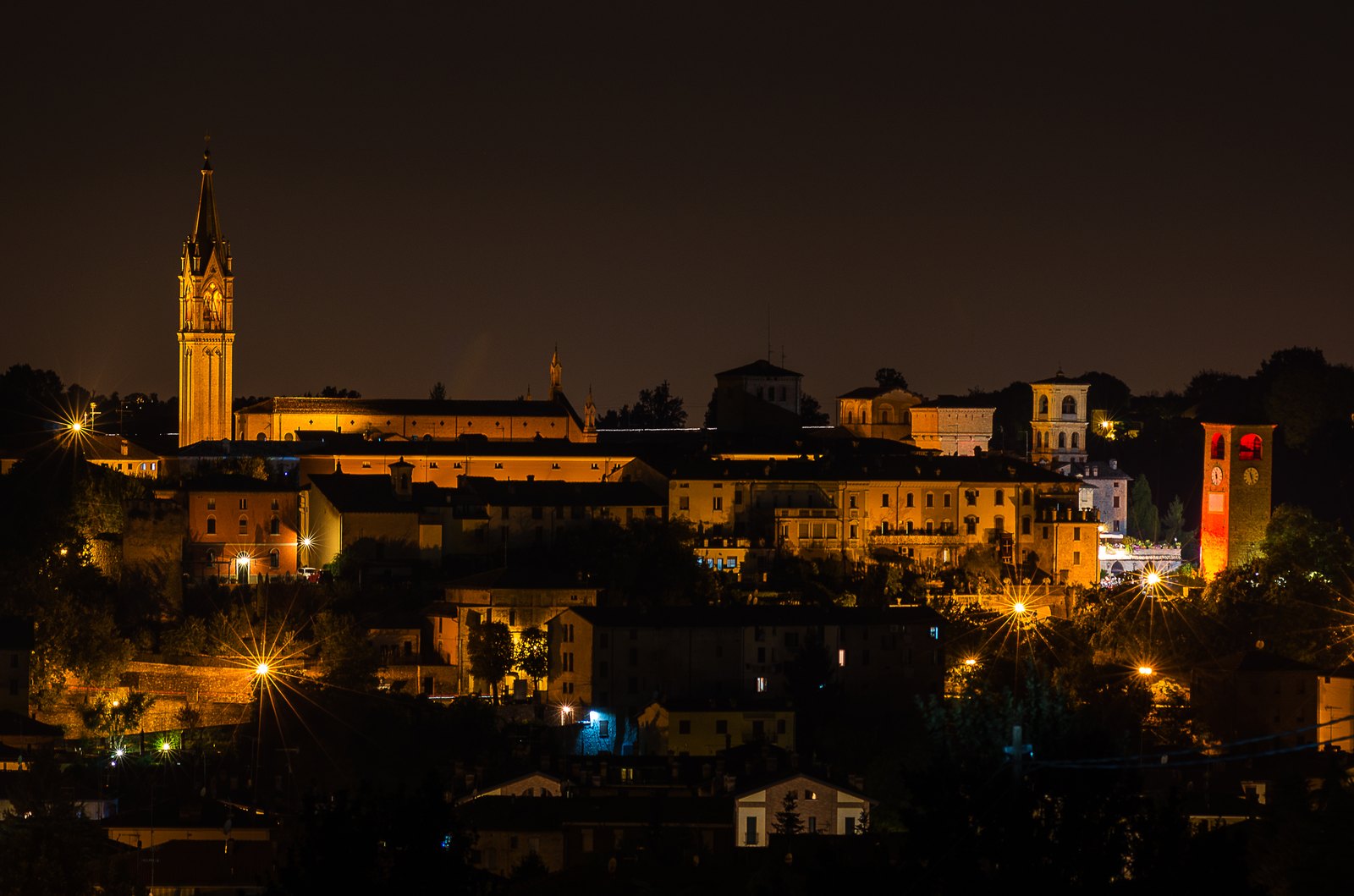
Castelvetro di Modena
Lambrusco hills above the Modenese plain. A small town that sits beside Motor Valley and the acetaie without becoming a wine tour.
Bobbio
Abbey, river, the Trebbia road. Already seen in the western movement; named again because it is both a valley town and a borgo of record.
Castell’Arquato
The same double identity as in the atlas: castle and town. One selected day, never both a castle visit and a village checklist.
Vigoleno
Walls, a short interior, the Piacentino countryside below. Rights-safe still pending; the place is not pending.
San Leo
A fortress on a spur, a Romanesque piazza, the Marecchia below. Montefeltro stone. It is a Level A castle and a hero borgo; the eastward film and the Romagna chapter hold the photographs, so the town is not repeated here as a card.
The quiet index
West
Compiano · Montechiarugolo · Fontanellato as a castle-town · Grazzano Visconti, reconstructed, 1905–30
Centre
Gualtieri · Fiumalbo · Castelvetro already above
East
Bertinoro · Verucchio · Montefiore Conca · Montegridolfo · San Giovanni in Marignano · Bagnara di Romagna · Bagno di Romagna
A change of light
East of the hinge.
The third film turns the material: brick to gold, then rock. Mosaic, gesso hills, a fortress on a spur. Same region. Different light.
Ferrara
Precision as a city.
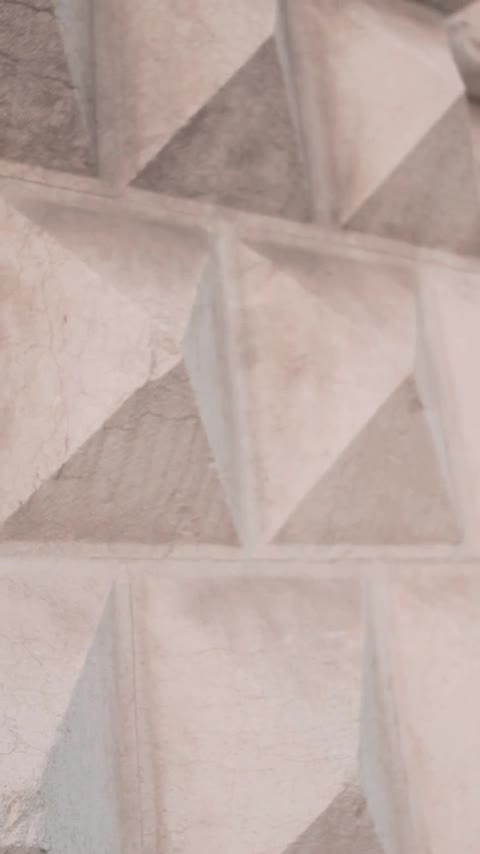
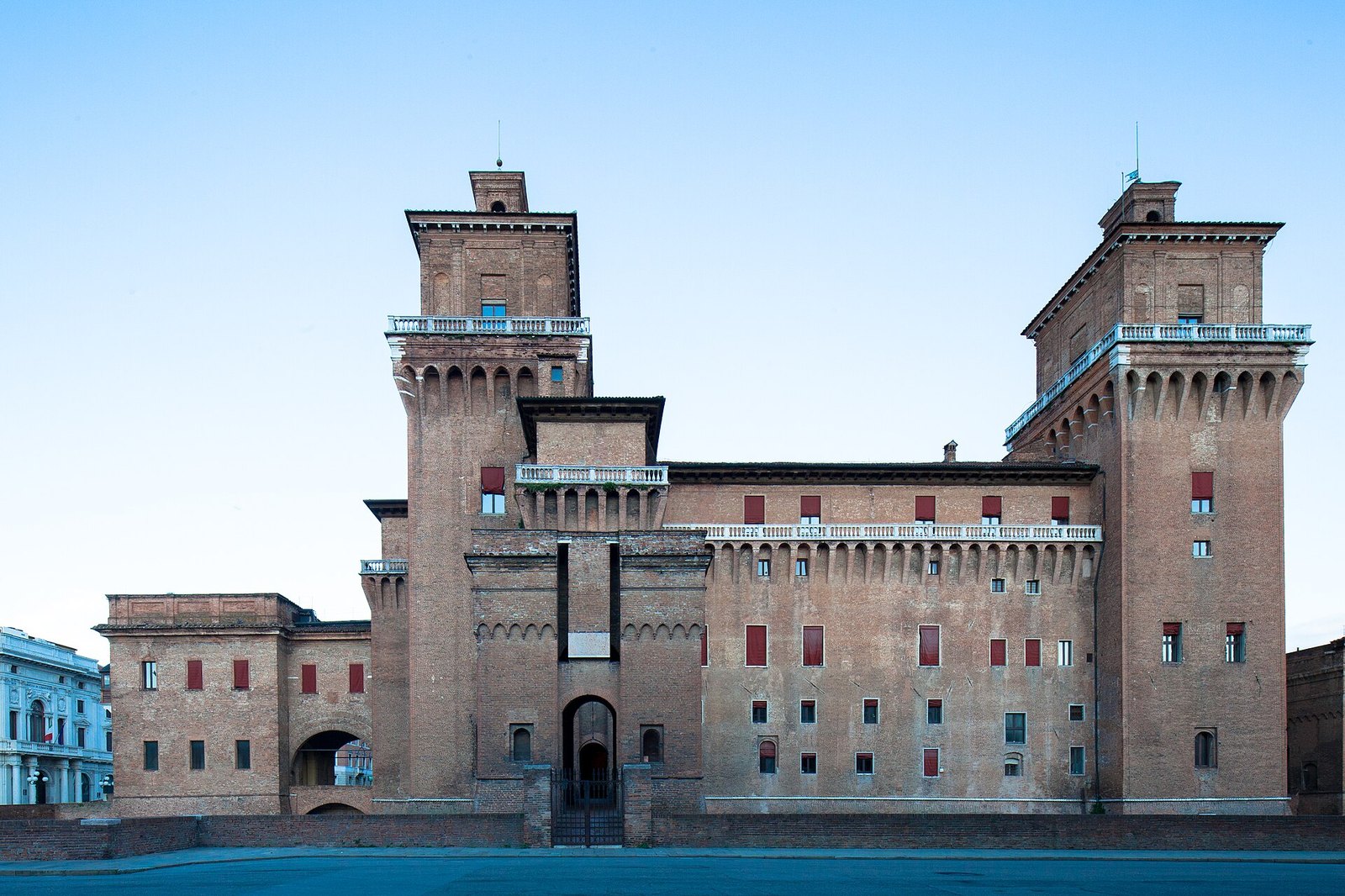
North of the spine, the Este made an argument in streets. Ferrara, City of the Renaissance, and its Po Delta — a UNESCO property from 1995, extended in 1999 — is walls, water, Biagio Rossetti’s Addizione Erculea, a castle in the civic middle. It is optional. It is not a tick of another province.
A week that has already turned west toward Parma does not climb back for Ferrara. A brief that wants Este urbanism can take it as a day from Bologna, or as a night in a longer eastern wing. Interiors of the Castello Estense are confirmed at the time of travel, never in advance on this page.
Ravenna
Gold, cut and set.
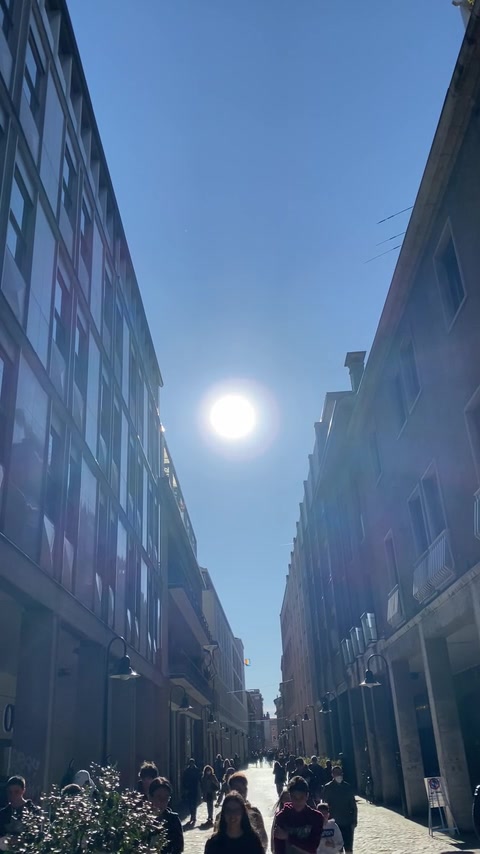
Ravenna is not a footnote to Bologna. Eight Early Christian monuments form a UNESCO World Heritage property (1996). Mosaic is the regional thesis in another material: hand, glass, gold leaf, a darkness that makes light work. San Vitale, Galla Placidia, Sant’Apollinare — the names are rooms, not a circuit to be completed in a morning.
A mosaic interior, rights-safe and unflashed, is still reserved for this chapter. The gold is the work; the brick octagon of San Vitale stands for it until that still exists.
Ravenna does not belong automatically in a westbound 8–10 night journey. It belongs on this page because the region is called Emilia-Romagna, and because the hand that sets a tessera is cousin to the hand that tends a barrel.
Romagna
Inland, and a different stone.
East of Ravenna the land lifts. Brisighella in the gypsum hills. Bertinoro on its hospitality ridge. San Leo and Verucchio and Montefiore Conca in the Malatesta and Montefeltro geography — rock, a spur, a fortress that reads as measure rather than scenery. The riviera is left out unless a guest brief is actually the coast.
Emilia waited in attics and workshops. Romagna cuts light into glass and stands stone on a crag. Same region. The week does not have to do both.
Houses
Addresses follow the week.
A Bologna address
For arrival, shade, and a civic first night or two. The exact house depends on privacy, room count and what can be held for the dates.
A countryside house
Usually between Modena and Parma: close to workrooms, acetaie, the first castles. This is the ordinary second base of an 8–10 night week.
A western or eastern house
Only when the selected journey requires it — Piacentino valleys, or a Romagna hill. Not added for completeness.
No hotel names on this page. Final properties are a function of traveller, dates, privacy and geography.
How the journey takes shape
A region larger than one journey.
Emilia-Romagna is not something to complete. Bologna, the workshops of Modena, Parma and its hills may form one journey. Another may continue west, through Castell’Arquato, Bobbio and the valleys beyond Piacenza. Another may turn east, towards Ferrara, Ravenna and the hill towns of Romagna.
The length follows the geography — and the reason for travelling. Some places belong together. Others are better left for another time.
OHH! ITALY designs the route from the traveller, not the map.
The table
What the land has already done.
We do not publish restaurant lists, and we do not name chefs for status. The table follows the geography: a bowl in Bologna, a drop of traditional vinegar where it belongs, Parma when the city has slowed the day, a hill kitchen if the house is in the hills. Tasting-menu language stays off the page. The work is already in the rooms.
Practical planning
Arriving in the region
-
Bologna Guglielmo Marconi
Private arrivals and onward transfers can be arranged as part of your journey.
OHH! ITALY
Begin with the week, not the map.
Tell us who is travelling, how long, whether the mind turns toward workshops, stone, mosaic or the road. Emilia-Romagna will be written from that. Other Italian chapters live beside this one — Italy, designed privately — and a Motor Valley driving day, if it belongs, is arranged on its own terms.
Photographs: Wikimedia Commons stills, displayed with an Astro-style filter.