
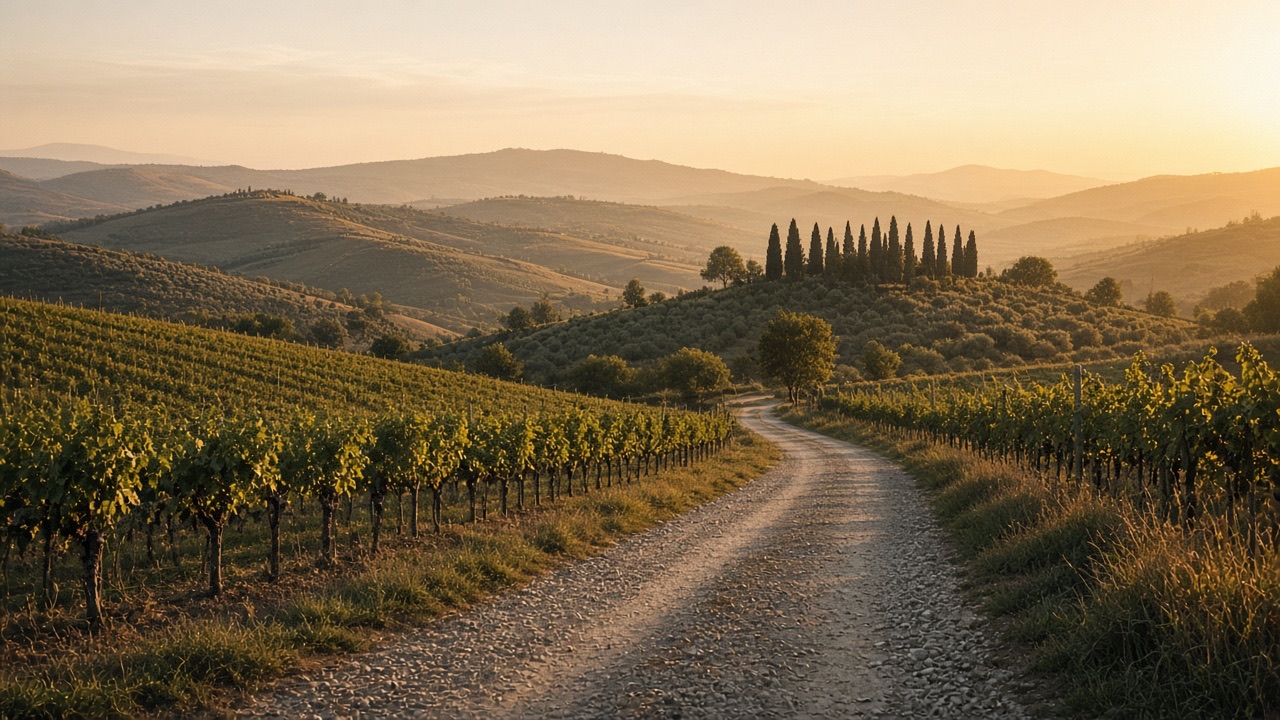
OHH! ITALY
Private Experiences
Private Wine Experiences in Italy
Wine, through Italy.
Barolo is not Chianti. Valpolicella is not Etna.
Wine is one of the clearest ways to read Italy. Climate, altitude, soil, grapes, food and the rhythm of the landscape change with every region — sometimes within a few kilometres.
A wine journey begins with place, not with a list of tastings.
Not a list of tastings.A way into the region.
A winery visit can take two hours — or become the reason for several days in a landscape.
A morning in Barbaresco and a day around Montalcino ask for different distances, different pacing and a different table. Two estates may be enough for one day.
20 regions.20 different ways to read Italy.
Every Italian region produces wine. What changes is the landscape, the grapes, the table and the reason to travel there.
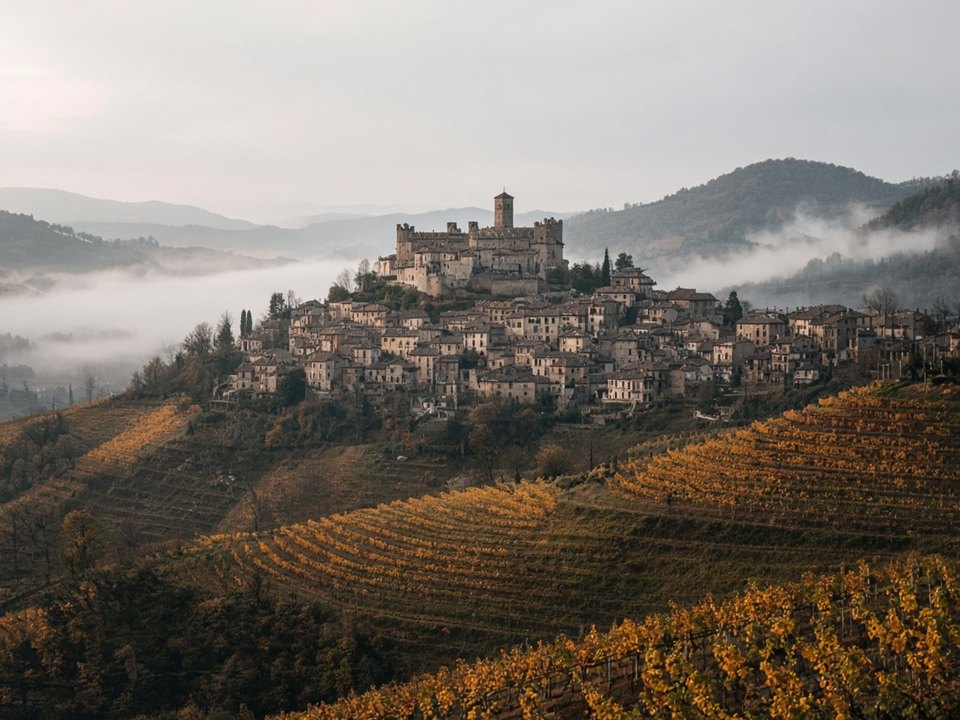
Northwest
Piedmont
Piedmont works particularly well as a multi-day wine journey — not because it is preferred over other regions, but because the geography packs densely.
Turin can open the stay. From there the Langhe fold into villages, estates and restaurants within short drives. Barolo and Barbaresco sit close enough to compare without rushing. Fog, agricultural roads and Nebbiolo, Barbera and Dolcetto reward several nights more than a single tasting stop.
Editorial wine atlas
The map, in full.
Place, wine identity, and why each region travels differently. Orientation — not a tasting menu.
Northwest
-
01
Valle d’Aosta
Steep Alpine valleys. Nebbiolo known locally as Picotendro; whites such as Petite Arvine. Compact distances, mountain roads.
-
02
Piedmont
Langhe · Roero · Alto Piemonte. Barolo and Barbaresco (Nebbiolo); Barbera and Dolcetto for village tables.
Piedmont journey -
03
Liguria
Cinque Terre and the Riviera. Coastal whites — Pigato, Vermentino — and Rossese where the hills meet the sea.
-
04
Lombardy
Franciacorta (traditional-method sparkling). Valtellina for Nebbiolo as Chiavennasca. Oltrepò Pavese as a separate inland chapter.
Northeast
-
05
Trentino-Alto Adige
Mountain viticulture. Alto Adige whites and Lagrein; Teroldego in Trentino. Altitude shapes both the bottle and the day’s logistics.
-
06
Veneto
Valpolicella and Amarone (Corvina-led). Soave (Garganega). Prosecco Hills (Glera). Often threaded with Verona or Venice.
-
07
Friuli-Venezia Giulia
Collio, Colli Orientali, Carso. Friulano, Ribolla Gialla, Malvasia — white-wine geography at the border.
-
08
Emilia-Romagna
Emilia’s Lambrusco cultures; Romagna’s Sangiovese and Albana. Food and wine travel as one rhythm.
Central Italy
-
09
Tuscany
Not one wine destination. Chianti Classico, Montalcino (Brunello), Montepulciano and Bolgheri — different roads, stays and coastal versus inland pacing.
Chianti note Val d’Orcia -
10
Umbria
Montefalco for Sagrantino; Orvieto for Grechetto-led whites. Quieter inland distances than neighbouring Tuscany.
-
11
Marche
Verdicchio territories inland; Conero and Piceno toward the Adriatic, where Montepulciano appears as a grape, not as the Tuscan town.
-
12
Lazio
Castelli Romani and Frascati near Rome; Cesanese further inland. Volcanic soils and short day-trips from the capital.
South
-
13
Abruzzo
Montepulciano d’Abruzzo and Cerasuolo d’Abruzzo between Apennines and Adriatic. Trebbiano for the white side of the table.
-
14
Molise
Small-scale viticulture. Tintilia as a regional marker — quieter routes, Apennine-to-Adriatic influence.
-
15
Campania
Irpinia (Taurasi, Aglianico, Fiano, Greco) is a different proposition from the Amalfi Coast. Sannio and Vesuvio add further inland and volcanic chapters.
-
16
Puglia
Salento and Manduria for Primitivo and Negroamaro; Castel del Monte for Nero di Troia and a different northern-Puglian pace.
Puglia journey -
17
Basilicata
Vulture — Aglianico del Vulture against a volcanic inland landscape. Wine travel with altitude and quiet roads.
-
18
Calabria
Cirò on the Ionian coast — Gaglioppo, Greco Bianco — held inside wider Calabrian geography, not as a standalone tasting product.
Calabria experience
Islands
-
19
Sicily
Etna (Nerello Mascalese) has a clear landscape–wine relationship — but Sicily is larger: Vittoria (Frappato), Marsala and western Sicily (Grillo, Nero d’Avola) change climate, food and access.
Sicily experience -
20
Sardinia
Insularity first. Gallura (Vermentino), Barbagia inland, Sulcis and the west (Cannonau, Carignano). Distances and ferry or flight timing belong inside the wine day’s design.
Sardinia experience
Orientation only. Specific estates, visits and formats depend on season, availability and the brief — never assumed as partnerships or guaranteed access.
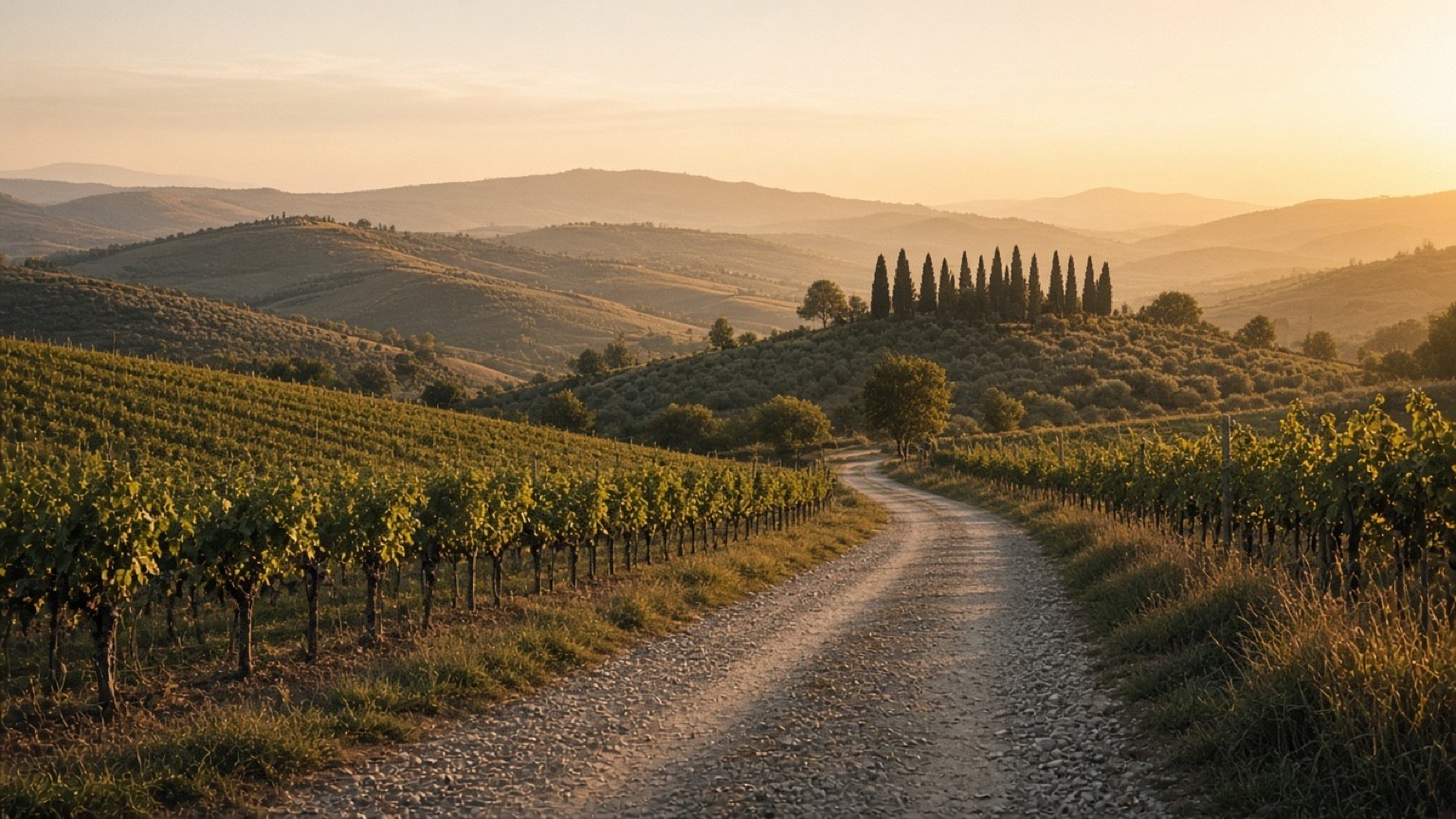
Central
Tuscany
Chianti Classico sits inside a dense hill network of villages and estates. Montalcino asks for a different overnight centre and a different day length. Montepulciano is another town, another road pattern. Bolgheri turns the itinerary toward the coast.
Same region on a map. Different geography for the traveller.
The landscape changes the wine.
It also changes the road, the hotels, the lunch stop and the shape of the day.
Alpine
Steep vineyards mean slower mountain roads and compact valleys — Valle d’Aosta, Alto Adige, Valtellina. Fewer kilometres; denser logistics. Village hotels matter more than scenic detours.
Hills
Langhe, Chianti, inland estates. Agricultural roads, lunch timing and overnight stays decide whether the day feels calm or crowded. Collecting labels is rarely the point.
Volcanic
Etna, Vulture, parts of Campania and Lazio. Altitude and soil shape the bottle — and the day’s energy. Access can be more specialised; pacing should leave room for the landscape itself.
Coastal
Liguria, Campania’s coast, Puglia, Sicily’s edges. Sea air, road or boat choices, and tables that follow the shore. Wine sits beside swimming, towns and light — not only cellars.
Island
Sicily and Sardinia. Ferry or flight timing is part of the wine day’s design. Internal distances are longer than maps suggest; food cultures shift with the coast and the interior.
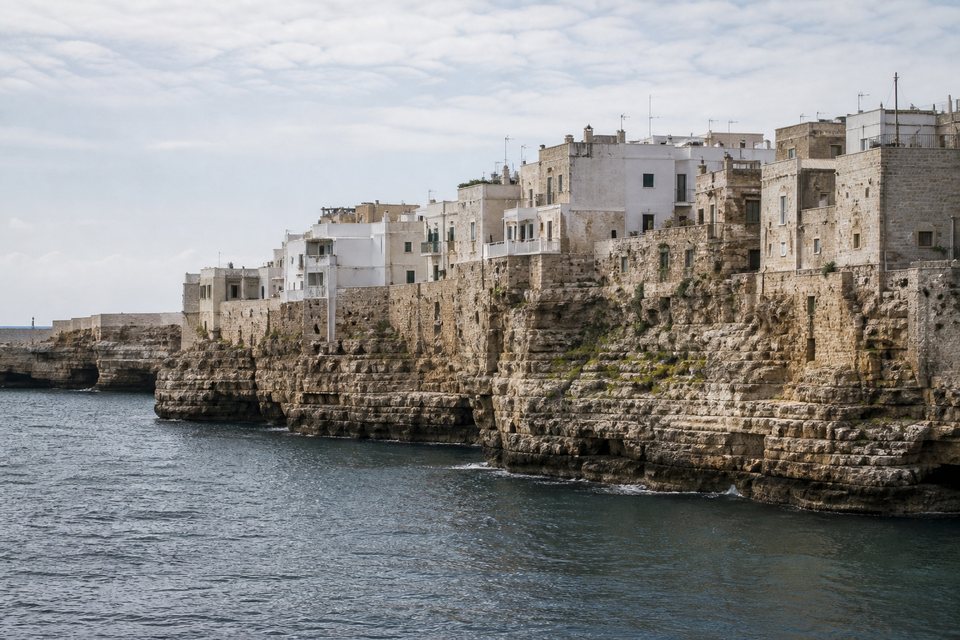
South
Campania to Calabria
Irpinia’s inland cellars are not the Amalfi Coast. Vulture gives Basilicata a volcanic, quiet dimension. Salento and Manduria differ from Castel del Monte. In Calabria, Cirò belongs to the Ionian geography around it.
Southern wine travel usually works best inside a wider stay — coast, towns, food — rather than as isolated tastings.
Islands
Sicily is not only Etna. Sardinia is not an appendix.
Etna’s terraces and Nerello Mascalese make the landscape–wine relationship unusually clear. Vittoria and western Sicily / Marsala change heat, food and how far you drive between stops.
Sardinia asks for intentional pacing: Gallura, Barbagia and the Sulcis coast are different journeys on one island. Distances and access decide the shape of the week before any cellar booking does.
A day, properly paced.
A private driver collects guests from their hotel. Morning may open at one estate chosen for the brief. Conversation, walking the property and tasting take real time. Lunch may stay in the landscape or move to a restaurant nearby.
A second estate is possible — not obligatory. Driving, visits, lunch, landscape and unplanned time fill a day quickly. Two estates may be enough.
No exact timetable. No guaranteed producers. No invented access.
What do you actually want from wine?
Some guests arrive with producers and vintages. Some know a region. Some know a grape. Some remember a bottle they loved. Some simply enjoy wine with food.
All of that is a legitimate starting point.
The producer
Specific estates, winemakers, vintages.
The bottle
Grapes, appellations, styles — comparative when useful.
The table
Wine through regional food and restaurants.
The landscape
Vineyards as part of a wider journey.
The cellar
Architecture, ageing, how the wine is made.
The collection
For guests who already drink with depth.
Beyond the cellar
Wine rarely works alone. The day holds better when estate, table, landscape and stay are designed together.
The estate
When a visit opens the property — not only the tasting counter.
The table
Restaurants and regional cooking in the same day’s rhythm.
The landscape
The road between estates — geography that explains difference.
The stay
Hotels and private accommodation that keep the region from collapsing into a tasting list.
The driver matters.
Rural geography, multiple estates, restaurant stops, hotel changes and luggage all depend on private transportation. Guests should not need to drive after tastings.
Wine Notes
Selected estate notes.
Secondary routes inside a much larger Italy. Examples that can be explored when dates and conditions allow — not partnerships, endorsements or guarantees of access.
Antinori
Estate scale and tasting format — when dates and access allow.
Antinori noteChianti
Countryside days where tasting sits beside landscape, lunch and transfers.
Chianti noteOrnellaia
A coastal chapter inside a wider Tuscan or multi-region stay when conditions support it.
Ornellaia noteCastel of Buttrio
A quieter north-east estate rhythm when the journey opens toward Friuli.
Buttrio noteHow it becomes a journey
Interest
A region, a producer, a bottle you remember — or simply what you enjoy drinking.
Geography
The wine landscape that fits the wider itinerary.
Pace
One meaningful visit may be better than three rushed ones.
Connections
Hotels, restaurants, transportation and the rest of the week around it.
Practical Questions
Before we begin.
Can you arrange private winery visits?
Private visits can be requested where estates offer them and availability permits. Formats vary between producers.
Do I need to know a lot about wine?
No. Curiosity about a region, a bottle or simply enjoying wine with food is enough to begin.
Can wine experiences be included in a wider Italy itinerary?
Yes. Wine is often strongest as part of a wider regional stay, not as an isolated excursion.
Can you coordinate private transportation?
Yes. Private drivers can be coordinated around estates, restaurants, hotels and wider logistics.
Can wine purchases be shipped home?
Shipping depends on the producer or merchant, destination country, customs and alcohol-import rules. Where available, arrangements can be explored with the seller.
Begin with the region.
Or begin with the wine.
We’ll design the journey around it.
Tell us a region, a producer, a bottle you remember — or simply where in Italy you are planning to travel.